
Clothing manufacturers that work with startups exist, and finding them is a filtering problem rather than a search problem. Filter by minimum order first, then by whether they make your garment category, then by whether they handle development. Everything else, price included, comes after those three.
Getting that order wrong is why the search takes months. Brands compare prices across plants that were never going to accept their quantity, and negotiate with factories that do not own the machines their garment needs.
Filter one: the minimum, and how it is counted
This is first because it eliminates most of the list in one question, and because the answer is routinely misunderstood.
Minimums in apparel are set per style and per colour, not per order. A plant quoting 100 is asking for 100 of one style in one colour. Three colourways is 300 units, and a second style doubles it again. Ask for both numbers in writing before anything else.
The set of plants that take short runs is much smaller than the set that exists, and they describe short runs as ordinary work rather than as a concession. That phrasing is a useful signal. What a low MOQ really means covers the numbers.
Filter two: your garment category
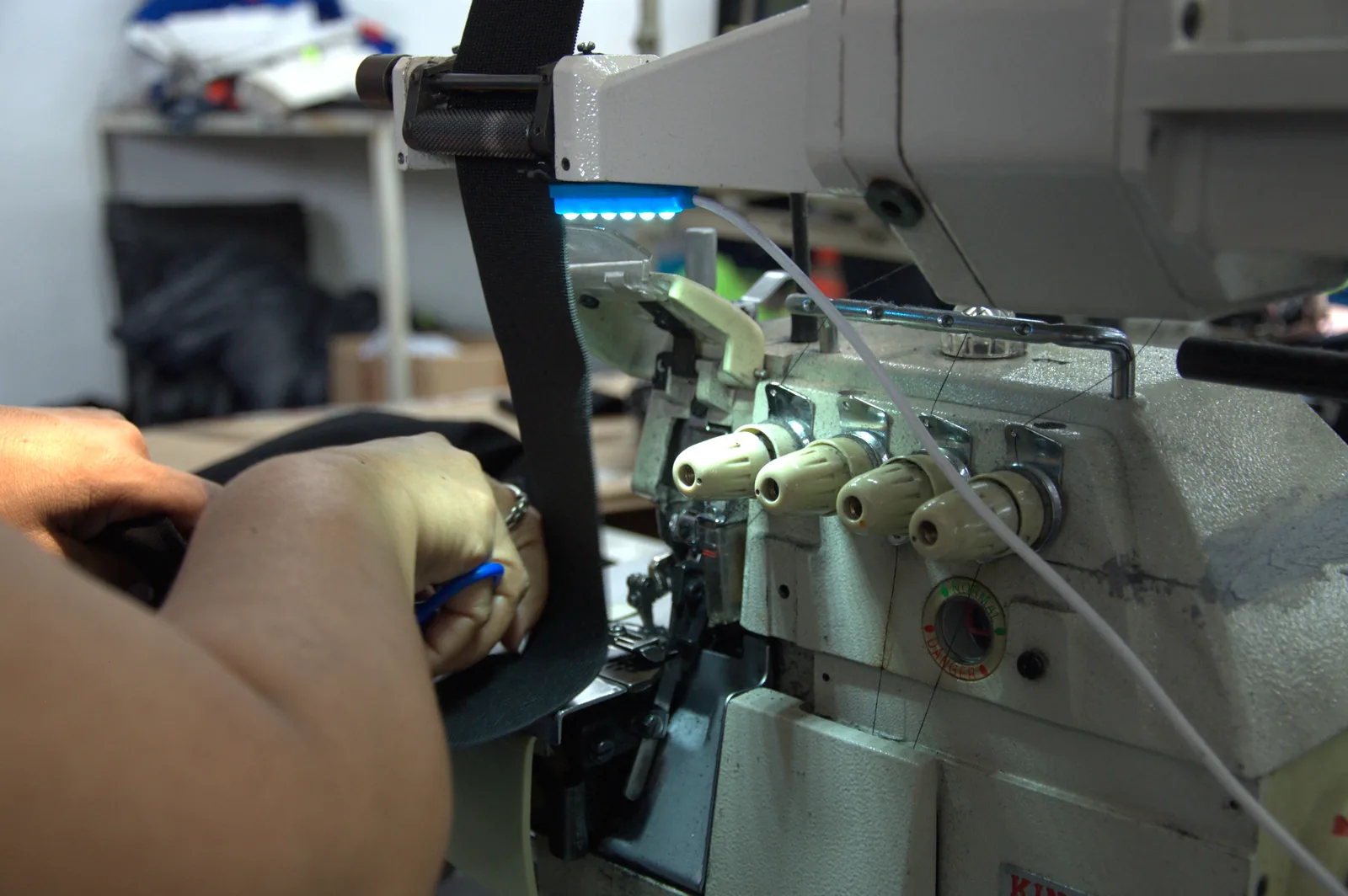
Machines decide what a plant can make. A workshop equipped for knit tops does not have what a tailored jacket needs, and denim is effectively a separate industry with separate equipment.
Ask what they produce most of. If your product is not on that list, nothing else about them matters, however capable they are. This filter costs one question and saves weeks.
Filter three: do they handle development
A startup usually has no pattern maker, no technical file and no fabric supplier relationships. That means you need full package, where the manufacturer develops the garment and buys the materials, rather than cut-make-trim, where all of that is yours.
A CMT quote will look far cheaper than a full package one because it is buying one stage out of six. If you cannot supply the other five, the cheaper number is not a real option. The scope of full package against CMT.
Where to look, once you know what you are filtering for
- Trade fairs. A day replaces weeks of email, and you can hold the product.
- Fabric and trim suppliers. The best-informed referrals in the industry and the least used.
- National export directories. Free, lightly verified and a person replies. The best cold start for a country where you know nobody.
- Brands at your scale. Ask who makes their product. Some will tell you.
Search engines build the long list and decide nothing, because plants with full order books do not compete for search traffic. The country-specific routes differ: Colombia, Mexico and the UK each work differently.
Why startups get ignored, and the fix
A production manager reading your email is working out whether you will cost more in hand-holding than you return. "I want to start a clothing brand, what are your prices" answers that question badly. Four things, even provisional, answer it well: what the garment is, roughly how many units, a fabric direction, and when you need it.
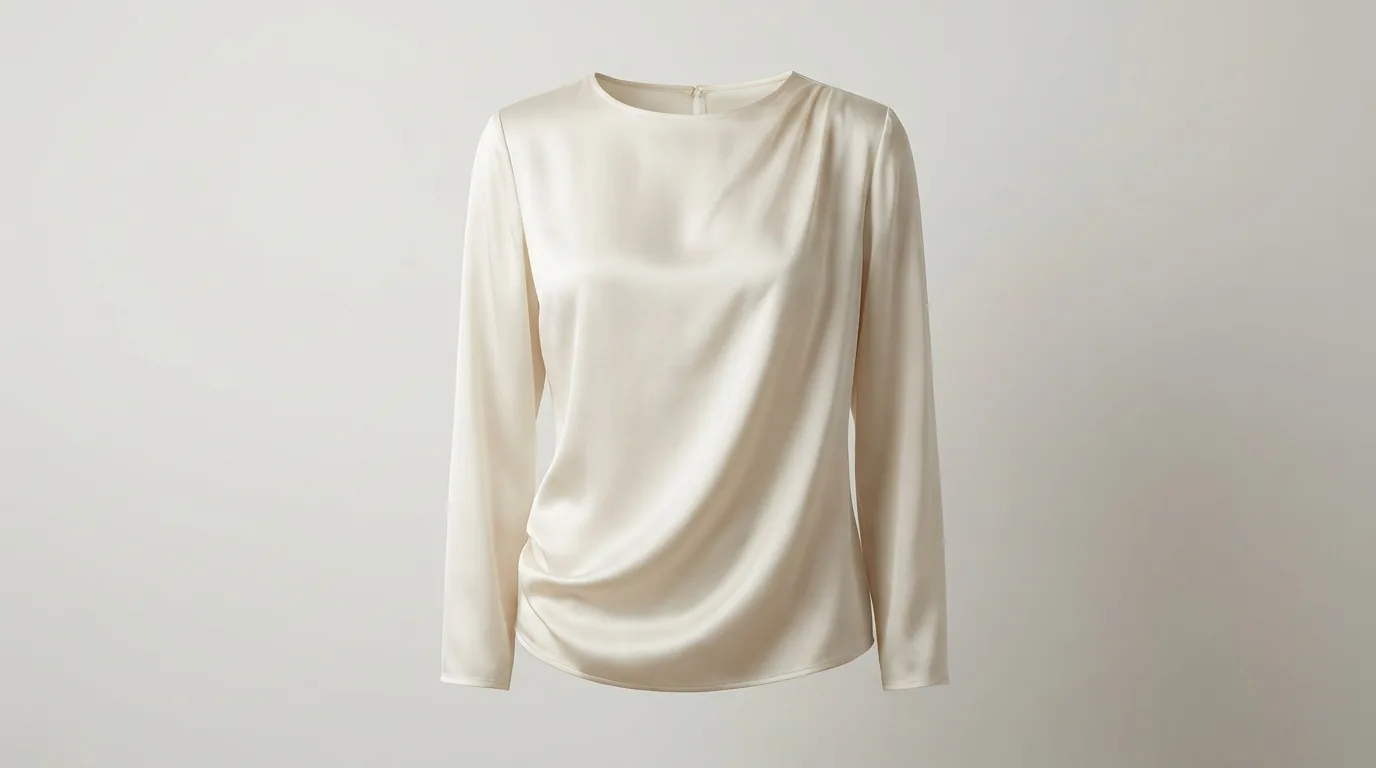
A reference photograph covers most of the first. You do not need a technical file, and arriving with one drawn for a different plant sometimes creates work rather than saving it. What you do need is to have decided what the product is.
What to check before you commit
- The production address, and permission to visit it.
- Which stages happen in that building and which are subcontracted.
- Lead time in business days, counted from a stated milestone.
- Who inspects quality, and whether during the run or after it.
- A garment they made recently, in your hands, turned inside out.
- What happens to defective units, and who pays.
The deeper checklist, ordered by what costs most to get wrong, is in how to choose a clothing manufacturer.
Frequently asked questions about clothing manufacturers for startups
How do I find a clothing manufacturer for a startup?
Filter first by minimum order per style and colour, then by whether they make your garment category, then by whether they handle development. Then search through trade fairs, fabric supplier referrals and national export directories.
What is a realistic minimum for a startup?
Most brands launching look at roughly 50 to 300 pieces per style and colour, depending on the plant and the garment. Below that the cost per unit climbs steeply. Above it, inventory risk climbs instead.
Will a manufacturer work with me if I have no experience?
Many will, provided you arrive with a clear product idea and a realistic quantity. What gets enquiries ignored is vagueness, not inexperience.
Do I need a tech pack as a startup?
Not to open a conversation, and not at all under full package, where it is drawn during development. Under cut-make-trim you will need one, plus the fabric. If you want to arrive with one anyway, our free tech pack template is a good starting point.
Should a startup manufacture locally or overseas?
It depends on where your customers are and what your retail price supports. Nearshore production tends to suit startups because minimums are lower and you can visit, which matters more early than a small difference in unit price.
How long does it take to get a first production run?
Two to eight weeks of development plus 30 to 45 business days of production from sample approval. Sourcing fabric is what usually decides where in that range you land.
How we work
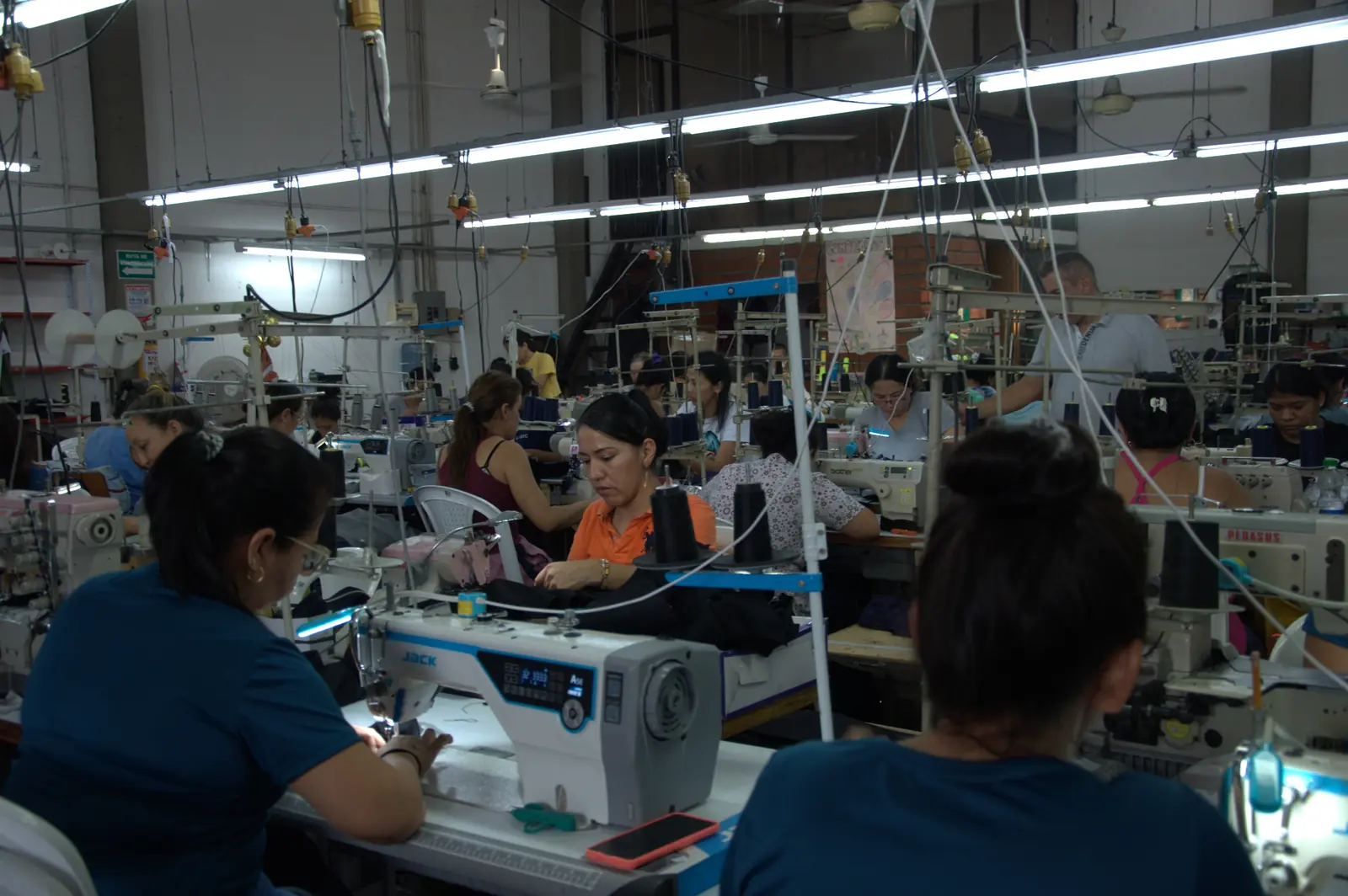
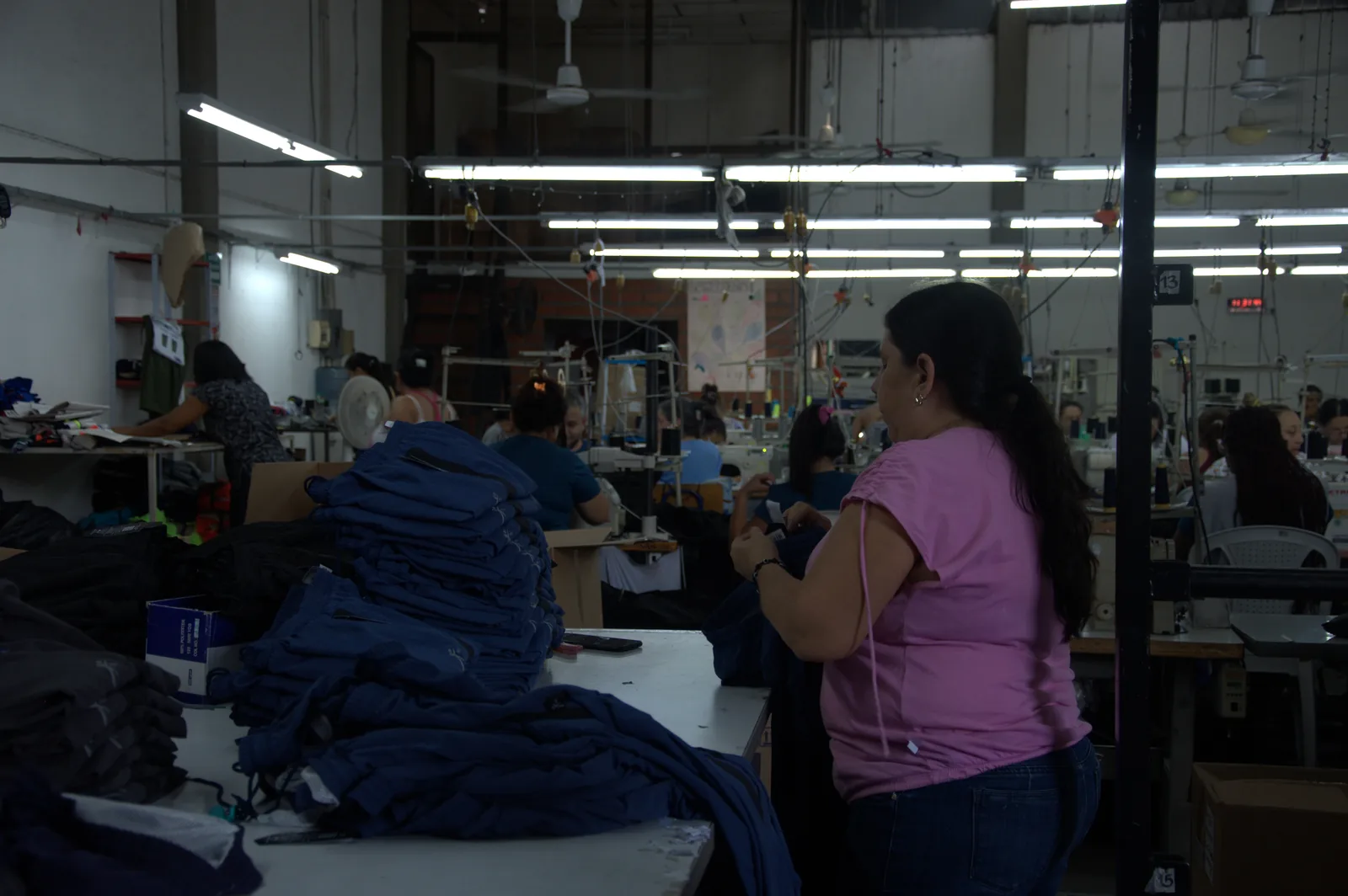
GAT Fashion Lab passes all three filters for most startups, which is the honest reason to mention ourselves here. Orders open at 36 pieces of a style in one colour. Use that floor to test and plan above it to stay in stock, because a repeat of 36 is another 30 to 45 business days out. We work full package, so development, sourcing, production and quality come with the order rather than being your problem. Twenty years in Cali, Colombia, a team of over 130 people. What we do not make: denim, tailored outerwear, and anything from a catalogue.
Describe your garment in our quoting tool and see a real number before you keep searching. Free, minutes, then a person. From Colombia to the world.