
A luxury clothing brand is built from three things a customer can verify: fabric that costs more than it needs to, construction they can feel, and scarcity that is real. Price and packaging signal luxury. They do not create it, and a well-informed buyer can tell within thirty seconds of handling the garment.
We manufacture at that end of the market, so this is written from the side that has to deliver the finish. The uncomfortable part comes first: private label, the model this page was originally about, has a ceiling for luxury, and knowing where it sits saves you a year.
What luxury actually consists of
| Element | What it means in the garment |
|---|---|
| Fabric | Higher-grade fibre, better mill, and frequently a heavier weight than the design strictly needs. It is the single largest cost and the first thing a buyer feels |
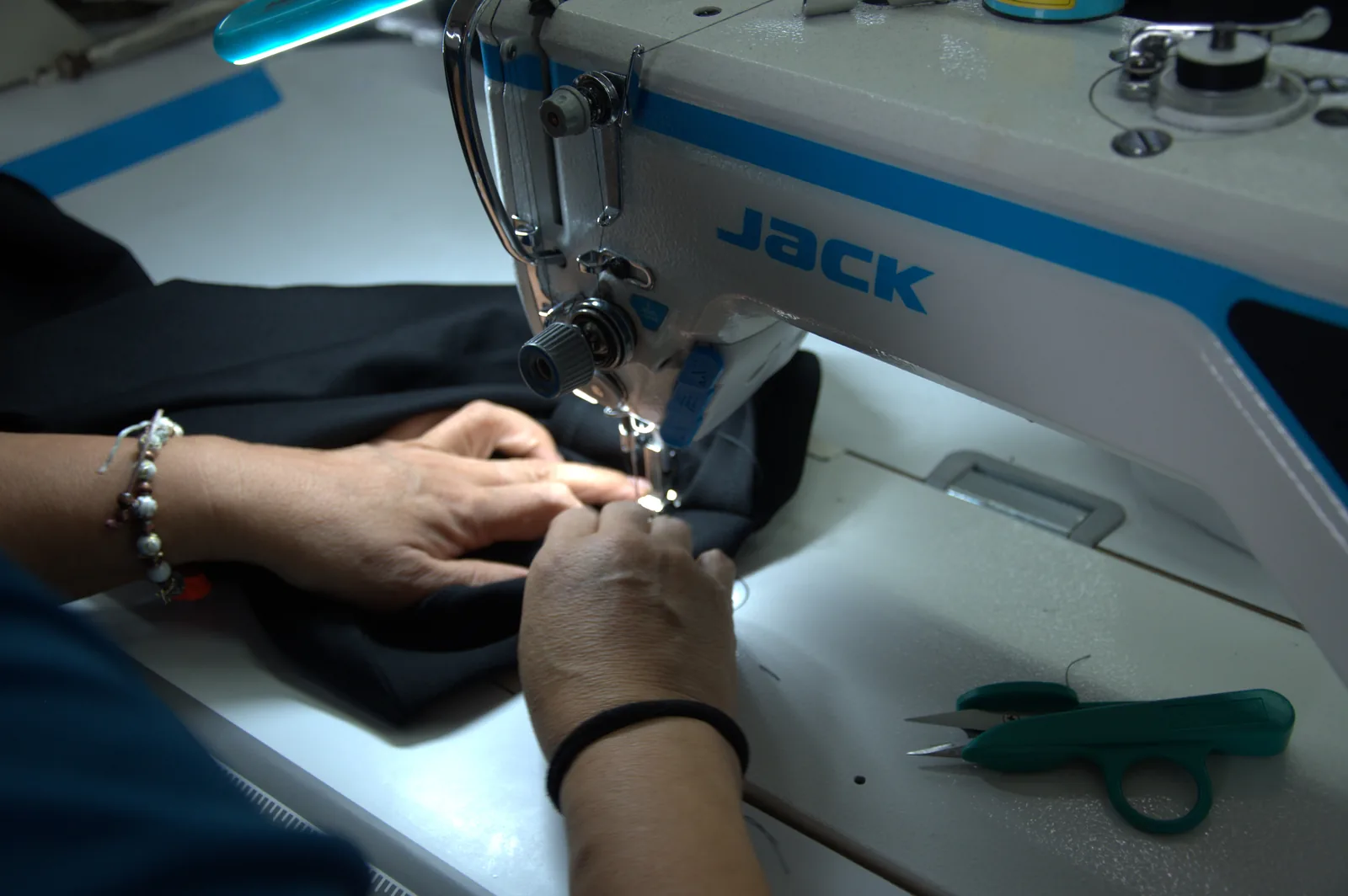
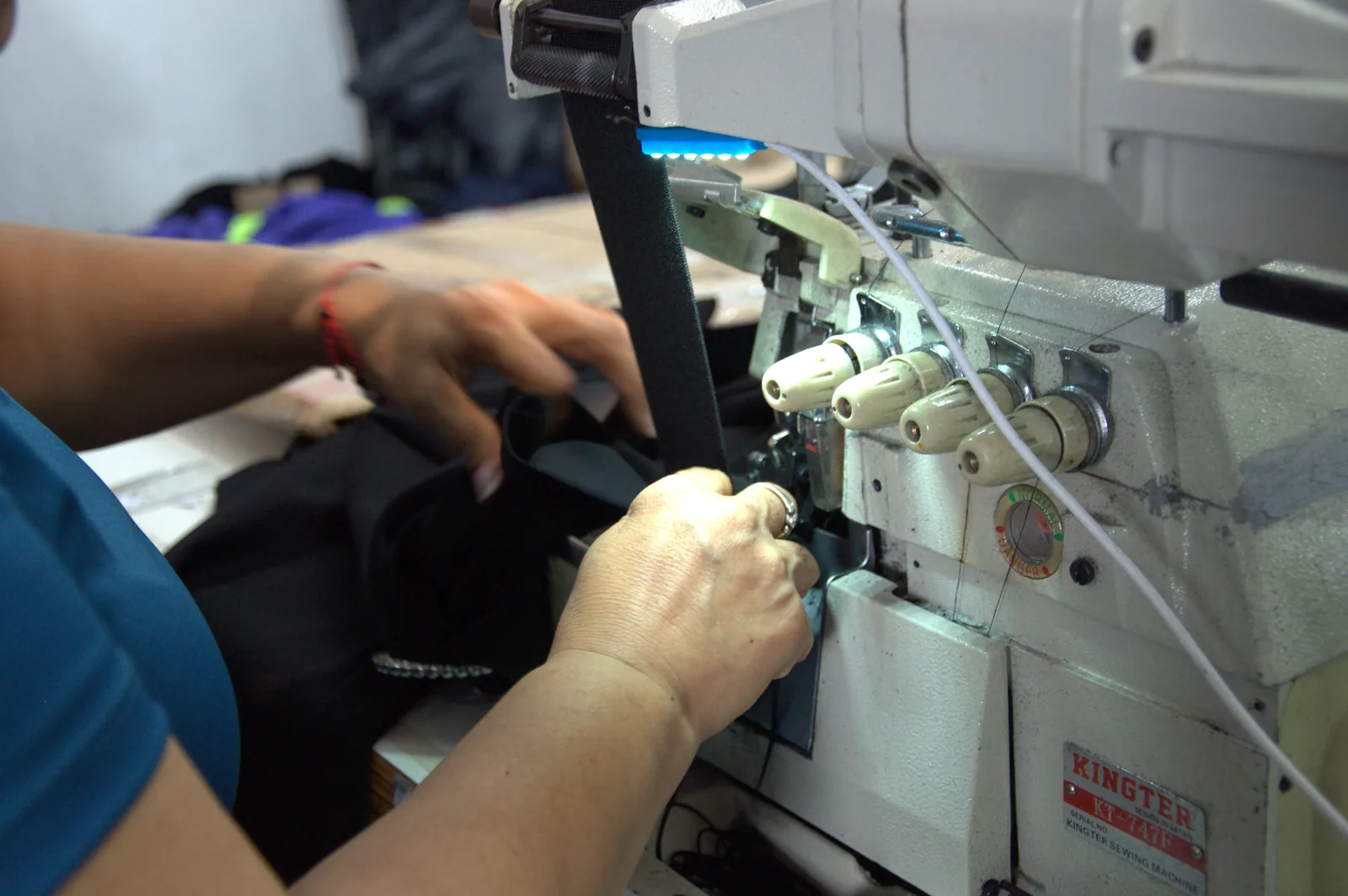
| Construction | More operations per garment: finished inside seams, bound edges, hand-finished details, linings, interfacings that hold shape |
| Fit | A pattern developed for a specific body and iterated more times than commercial work allows |
| Trims and hardware | Where mid-market brands save and where it shows first. Zips, buttons and labels age visibly |
| Scarcity | Limited quantities that are genuinely limited. Manufactured scarcity gets found out |
| Provenance | Being able to say where the fabric comes from and where the garment was made, specifically |
Notice what is not on that list: the logo, the packaging and the price. Those communicate the positioning. They cannot substitute for it.
Why private label caps a luxury brand
Private label means buying a garment the manufacturer already developed and applying your label. It is fast, it is cheap to start, and it is a reasonable way to test a market.
The problem for luxury specifically: the pattern is shared. The garment was designed to be sold to several buyers, so its construction is built around a commercial cost target rather than around your standard. You can change colour, label and packaging. You cannot change the number of operations, the seam finishes or the fit, and those are precisely the three things a luxury customer is paying for.
There is also the exposure risk. A shared garment can appear under another name at a lower price, and for a luxury brand that is not a competitive inconvenience, it is a credibility problem.
Where private label genuinely fits: testing categories before committing, filling out a range with pieces that are not your signature, or bridging a season while your own development runs. As a permanent foundation for a luxury brand, it does not hold. Private label against custom manufacturing sets out the full trade.

What it takes, in order
- Decide the one thing you are better at. Fabric, fit, or craft. Trying to lead on all three at launch is how a brand ends up expensive rather than luxury.
- Find the fabric first. At this level fabric drives the design, not the other way round. Mills have their own minimums and lead times, and they set your calendar.
- Develop your own pattern. Non-negotiable if fit is part of the promise. It is the cost that separates a luxury brand from a well-marketed one.
- Specify the finish explicitly. Seam finishes, linings, topstitching, hardware. If it is not in the technical file it will be produced to a commercial standard, and correctly so.
- Sample more than you think. Three rounds is normal here. Approving a luxury garment on the first sample almost always means something was missed.
- Keep the run small and honest. Real scarcity, not a number invented for a caption.
- Price from the cost, then check the market. Not the reverse. A luxury garment built properly has a cost floor, and pricing below it is subsidising your own customers.
The economics nobody mentions
Luxury has better margins per unit and much worse cash flow. The fabric costs more up front, development takes longer, runs are smaller so fixed costs spread over fewer pieces, and the customer takes longer to find. A brand funded for a mid-market timeline runs out of money in a luxury one.
The minimum order question also inverts. At this level you want a manufacturer who will produce 50 pieces properly rather than one who needs 2,000. Small runs and high standards go together, and finding a plant that does both is the practical bottleneck.
Frequently asked questions about starting a luxury clothing brand
How do I start a luxury clothing brand?
Decide what you are genuinely better at, source the fabric first, develop your own pattern, specify the finish in writing, sample until it is right, and keep the runs small. The order matters, because each step constrains the next.
Can I build a luxury brand with private label?
Partly and temporarily. Private label is useful for testing and for non-signature pieces. It cannot deliver the construction, fit or exclusivity that luxury is judged on, because the pattern is shared with other buyers.
What makes clothing luxury rather than just expensive?
Things the customer can verify by handling it: fabric grade, construction quality, fit and finish. Price and branding communicate the intent, and a knowledgeable buyer separates the two quickly.
What minimum order should I expect for luxury production?
Lower than commercial production, and you should want it lower. What matters is finding a manufacturer who will run 50 or 100 pieces to a high standard rather than one whose economics need thousands.
How much does it cost to start a luxury clothing brand?
It depends on the category and the fabric, and any figure quoted without those is invented. What is predictable is the shape: development is paid once per style, fabric is the largest variable, and the cash gap between spending and selling is longer than in mid-market.
Where should a luxury brand manufacture?
Wherever the craft for your specific garment exists, and where you can visit often enough to hold the work. Country of origin carries some weight with luxury customers, and less than the garment itself does.
Private label luxury clothing: what has to change
Luxury does not survive a stock garment with a new label sewn into the neck. Three things move at once: the fabric list shortens to mills that can prove origin, the construction adds operations most plants skip, and the run stays small enough that the piece is not everywhere. Volume works against you here, which is the reverse of how private label usually pays for itself.
Starting a luxury fashion house is a different project
A fashion house designs its own collections, keeps a pattern room in house and shows on a calendar. A luxury private label brand buys development from a plant and puts its name on the result. The first needs a creative director and several years of runway; the second needs a good manufacturer and a point of view. Deciding which one you are building changes every number in the plan.
How we work
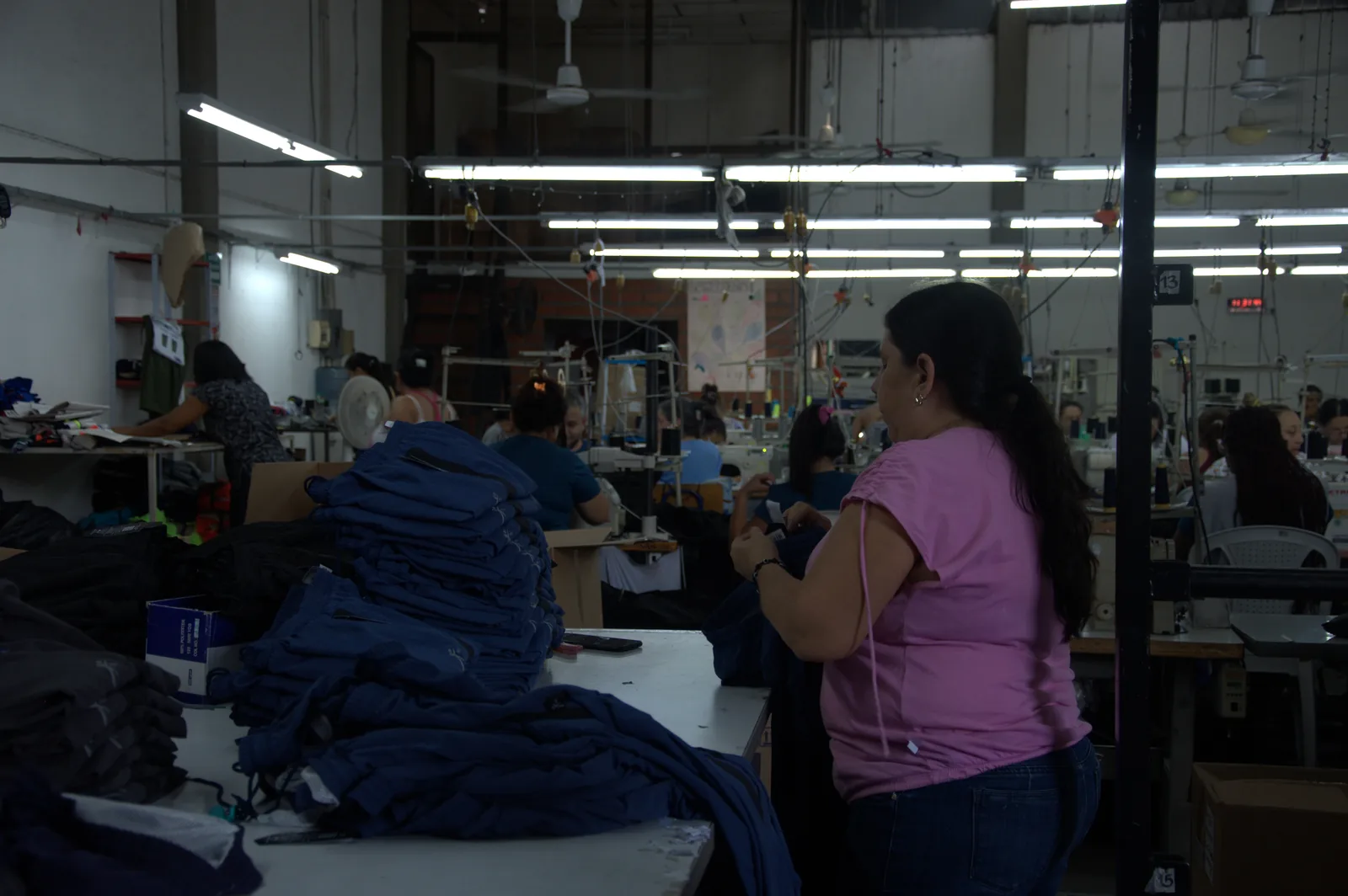
GAT Fashion Lab develops and produces to the standard the brand specifies, in Cali, Colombia, and has for more than twenty years, for recognised brands in the region and for smaller labels working at the top of their categories. Orders open at 36 pieces of a style in one colour, which suits this end of the market. Even here, plan the repeat before the launch: another 36 is 30 to 45 business days away, and a sold-out piece with a two-month gap behind it costs more attention than it earns. We do not sell from a catalogue, and denim and tailored coats are outside what we make.
If you are building at this level, describe the garment and the finish you want in our quoting tool. No cost, and an estimate in minutes. From Colombia to the world.