

As the world grapples with serious supply chain challenges, fashion brands from developed countries, e-commerce retailers, and supply chain management professionals are shifting their focus from sourcing in China and Asia to Latin America.
If you sell in the United States, you know how difficult it is to ship from China today: shipments often take up to 73 days to reach the US. Why not explore garment manufacturing in places like Latin America, which are much closer?
Sourcing in Latin America, in countries like Colombia or Mexico, can drastically reduce your shipping costs, lead times, and time to market.
Let's explore garment manufacturing in Latin America together and discover how it can be an excellent alternative for your clothing brand.
RECOMMENDED: What Should I Consider Before Hiring a Textile Maquila?
Why Latin America?
Trade and Traffic
The United States has free trade agreements with 20 countries, nine of which are in Latin America, making these countries the most promising options for clothing brands.
Quality
Latin American maquilas or clothing factories are distinguished by their excellent production and finished product quality, especially Colombia.
RECOMMENDED: Maquila in Colombia: Where Quality is a Commitment, Not an Option
Logistics: Time and Money Saved
It is much more cost-effective to transport garment productions from Latin America because these countries are much closer to the United States than China, so shipments take only hours or days to a week, depending on the product.
Exporting garments or complete batches from Colombia results in fairly short journeys, making it a viable manufacturing option.
At Gat Fashion Lab, we offer various manufacturing models, from full packages to more flexible minimums. We are located in Colombia. Learn more here.
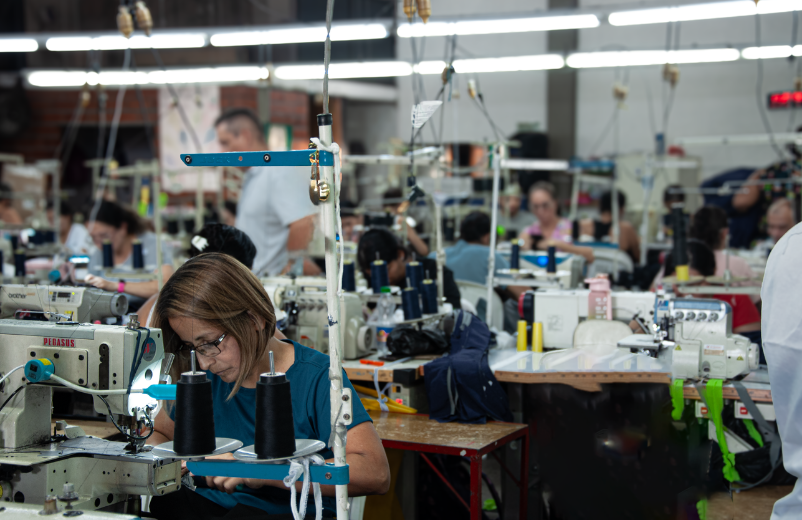
How to Find Manufacturers in Latin America
Before You Start Searching
When looking for a manufacturer, it is essential to understand what type of manufacturing partnership you need. A common mistake among some entrepreneurs is to assume that factories can handle everything from design to material sourcing and production.
However, not all factories can offer all these services, so you will probably need to find one partner for design, another for material supply, and another for manufacturing.
Start your process with us today by registering here.
A design partner can help you turn your ideas into a pattern and then into a technical design. Supply partners can help you find fabrics, accessories, and other components needed for your product.
Finally, a manufacturing partner will produce or build your product and make it usable.
To find the right manufacturer for your business, it is important to consider several aspects:
1. Clearly define your product and brand goals, and estimate your budget.
2. Determine what capabilities you need from your manufacturer. Do you require a full production service or only certain processes such as cutting, manufacturing, or finishing?
3. Establish a timeline and be willing to adjust it according to the manufacturer's availability.
4. Calculate the quantity you want to produce.
5. Prepare a technical package that includes product designs, construction details, measurement specifications, and a materials list.
6. Have a functional prototype or sample of your product available, or discuss the possibility of manufacturing one with the manufacturer.
RECOMMENDED: Maquila in Colombia: The Key to Optimizing Costs and Maximizing Product Quality
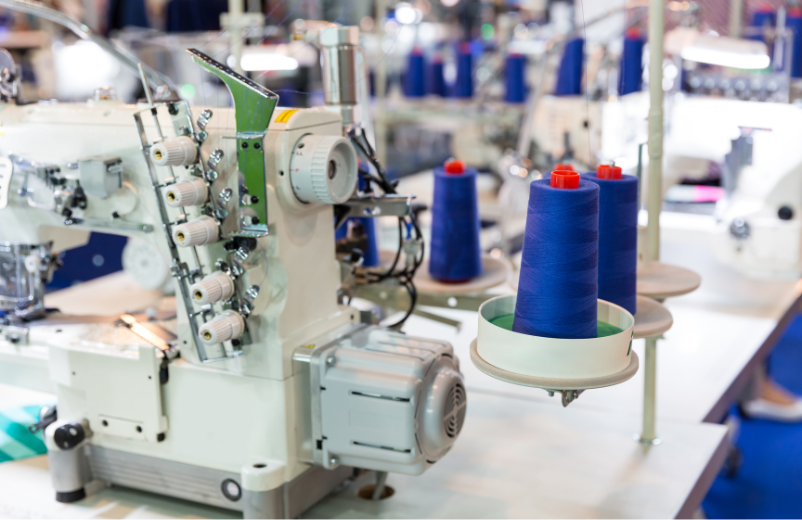
Start Your Search
Once you have created a solid business plan and understand your company's requirements, it's time to start looking for a clothing manufacturer. If you seek garment manufacturing, it's essential to understand some key terms that will help you with your production process:
- Clothing manufacturers
- Clothing manufacturers
- Clothing factory
- Textile maquiladoras
- Full package
- Etc.
Once you have mastered all the jargon and technical terms, it's time to start your search on the Internet. Online directories are one of the best places to look for a manufacturer. Thousands of manufacturers, suppliers, and wholesalers are listed in directories.
You can also search for them on social media platforms to see what they are doing and get in touch with them. You can achieve this by using hashtags and keywords related to your search, such as: #fullpackagecolombia.
Attending a trade show is another way to find a manufacturer. The most important benefit of attending a trade show is the opportunity to meet factory representatives in person.
You can inquire about their development rates, manufacturing minimums, logistics, and payment terms. This is also an excellent time to discuss your production requirements and determine if their factory is the best fit for your brand.
Some of the major trade shows in Colombia are:
This event is held annually and has become an international platform for fashion commerce and promotion. Here you can find national and even international manufacturers.
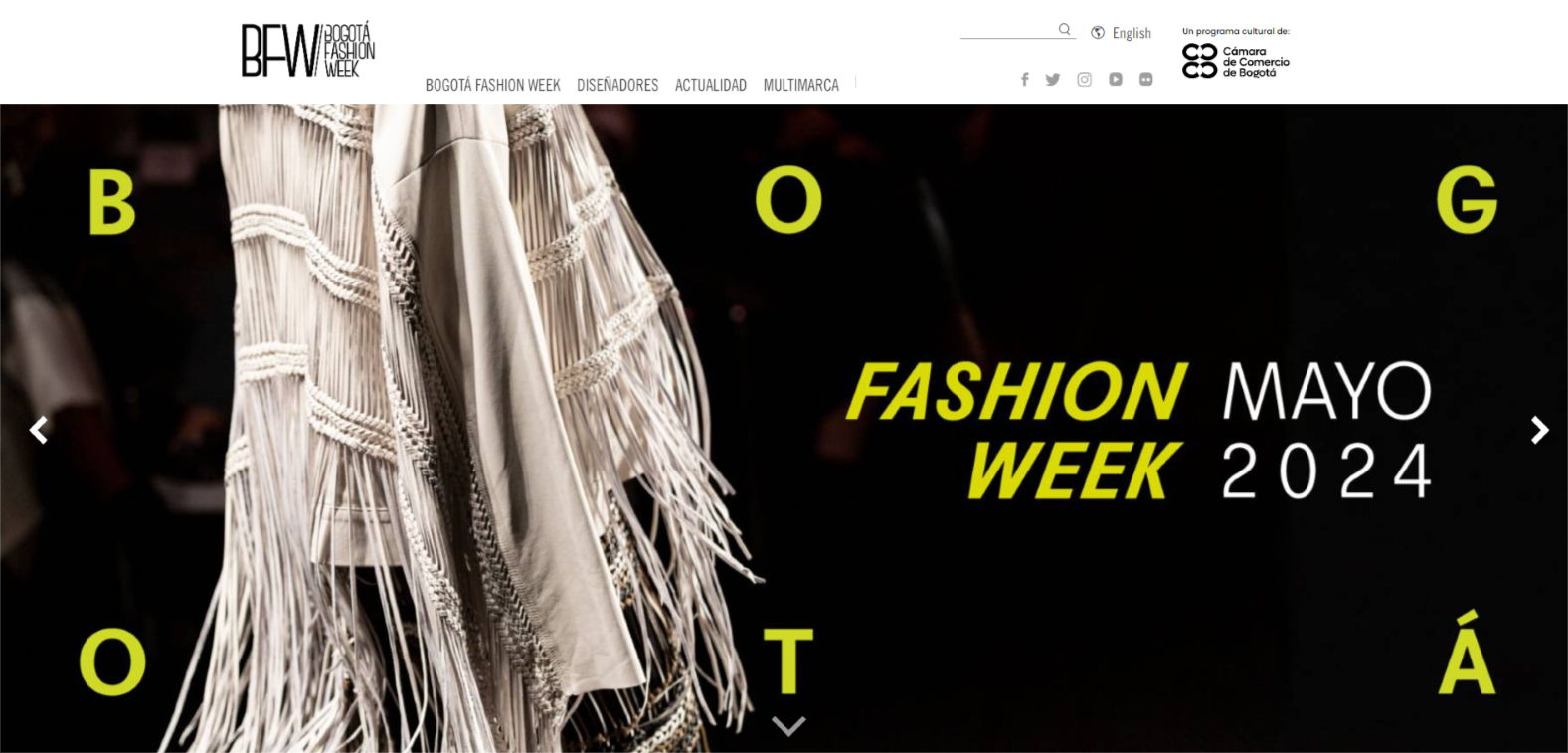
Colombiatex and Colombiamoda are the largest showcases in Latin America for all types of manufacturers, fabric suppliers, inputs, machinery, chemicals, apparel, fashion, and home goods.
This event takes place in Medellín in January and July each year and is the perfect intersection for national and international brands looking to manufacture and distribute in Latin America.

Cali Distrito Moda:
This event opens its doors to future manufacturers in its commerce and connection spaces.

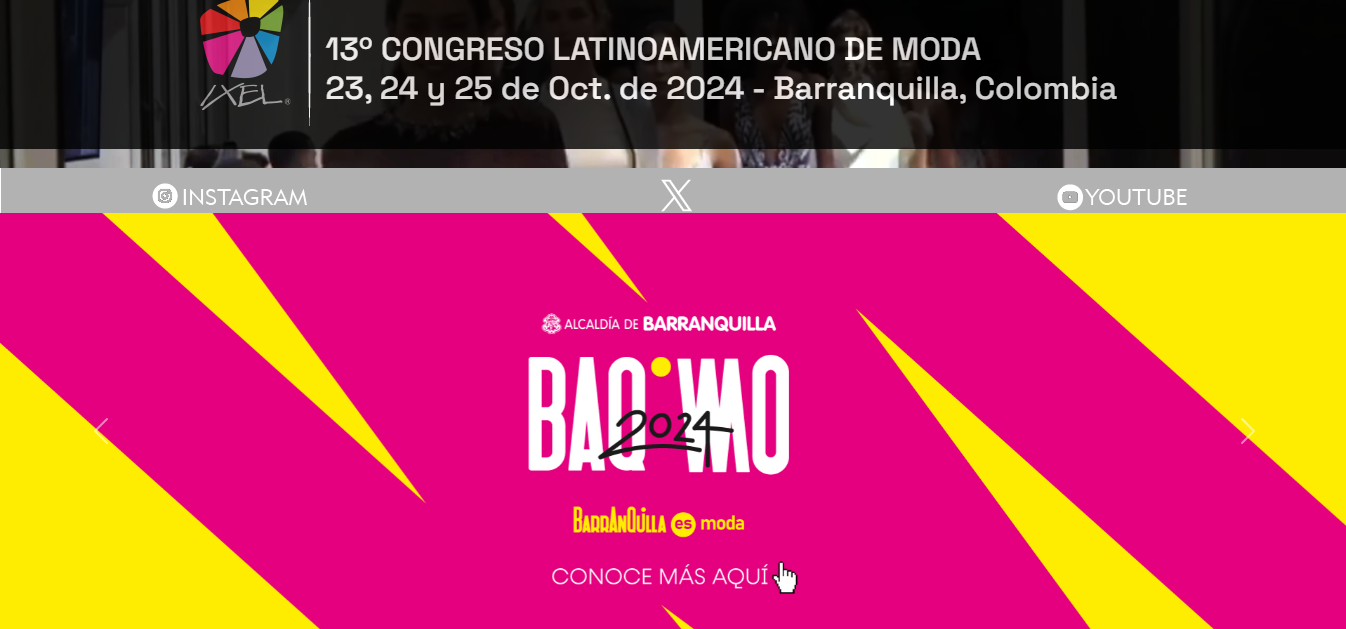
This event is held in the Caribbean region of Colombia and features spaces for the textile industry at the Latin American Fashion Congress in Cartagena.
Cultural events and runways are held here, with approximately 10,000 participants.
To learn more about these trade shows, you can visit the following link.
Maquilas in Colombia
Over the years, manufacturing in Colombia has gained a reputation for quality and labor sustainability, from its origins producing Levi's jeans to today with renowned international products for brands like Mario Hernández.
In Colombia, garment manufacturing is acclaimed for its diverse production. Here you can find maquilas for:
- Clothing
- Footwear
- Leather goods
- Handicrafts
- Bags
- Accessories
- Furniture, home goods, and much more.
Colombian maquilas are among the few that do not exploit workers or children and maintain their contracts under the law. Most employees are single mothers, and the workplaces comply with all occupational safety regulations (Angela Dotor, 2022).
Therefore, when contracting a maquila in Colombia, you can be sure that the product is socially responsible.
RECOMMENDED:What is and how to find a clothing factory?
Conclusions
Latin America is a great alternative for garment manufacturing due to its proximity, quality, and cost-effectiveness. With its strong textile manufacturing industry, Latin America can provide excellent products.
You can find the right Latin American manufacturers for your brand or fashion business needs using online directories, contacting companies directly, using specific portals, or attending trade shows.
With the right manufacturer, you can offer your customers the best products and services without worrying about delays or quality control issues.
In Colombia, there are countless maquilas and complete packages for all sectors you can imagine. The invitation is to explore the directories, fairs, and events that exist in this country and find your ideal maquila.
Remember that we have a community and an educational podcast called "Negocios de Moda" where we invite industry professionals to share their experiences, anecdotes, and mistakes made during their growth process in the fashion world. Access it by clicking here.