
Mexican garment production concentrates in Puebla, Guanajuato, Aguascalientes, Yucatán and along the northern border. Most plants are found through state economic development offices, industry chambers and trade fairs rather than search. Before comparing any price, confirm whether you are being quoted maquila or full package.
We manufacture in Colombia, not Mexico, so we have nothing to sell you here. What we can give you is the vocabulary, because the word maquila means something specific and misreading it is the most expensive mistake in this search.
What a maquila includes, and what it does not
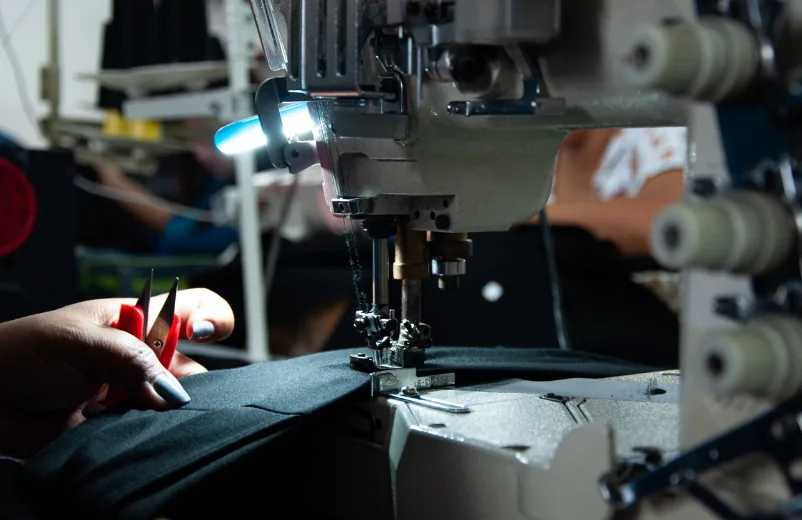
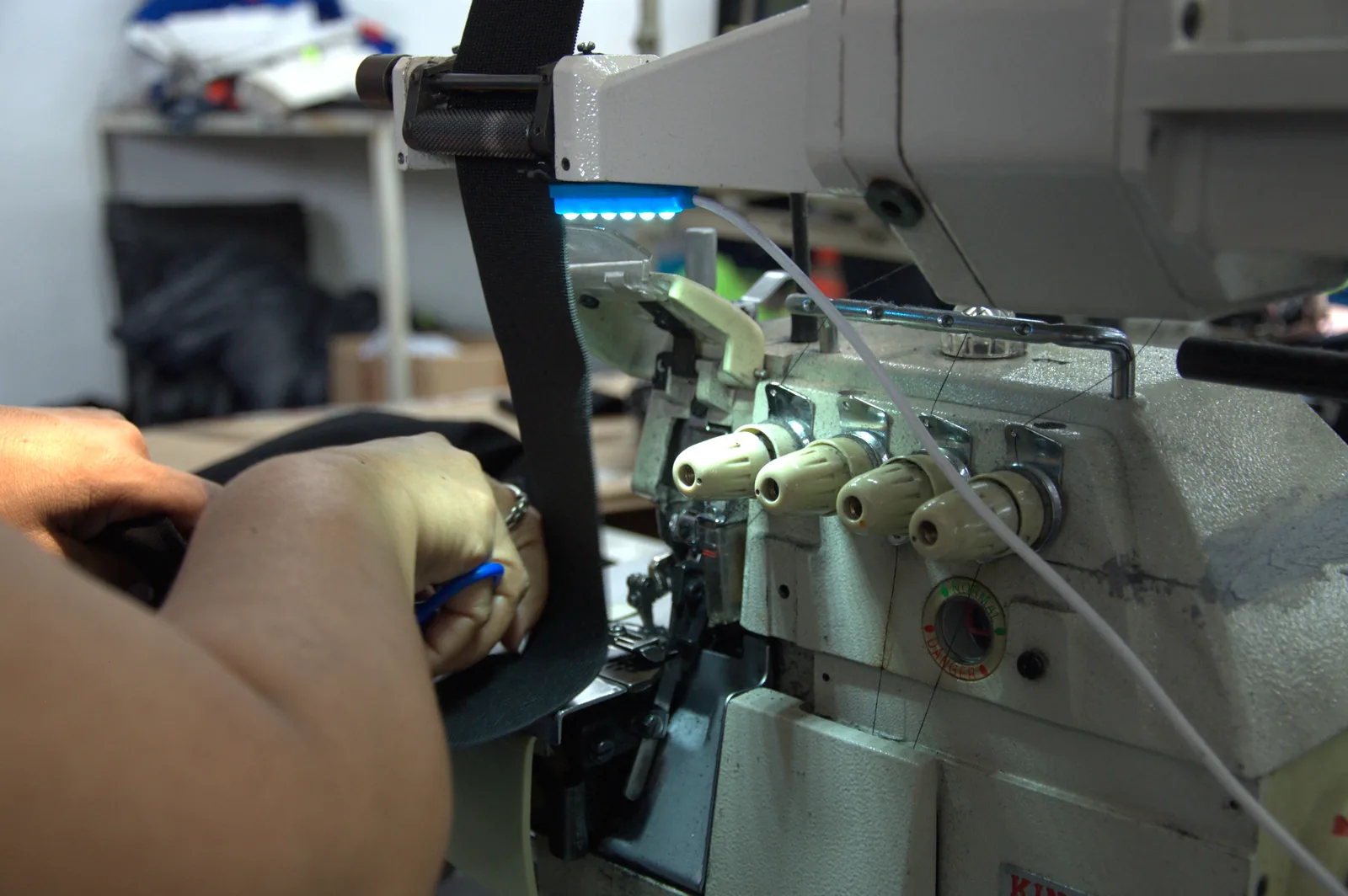
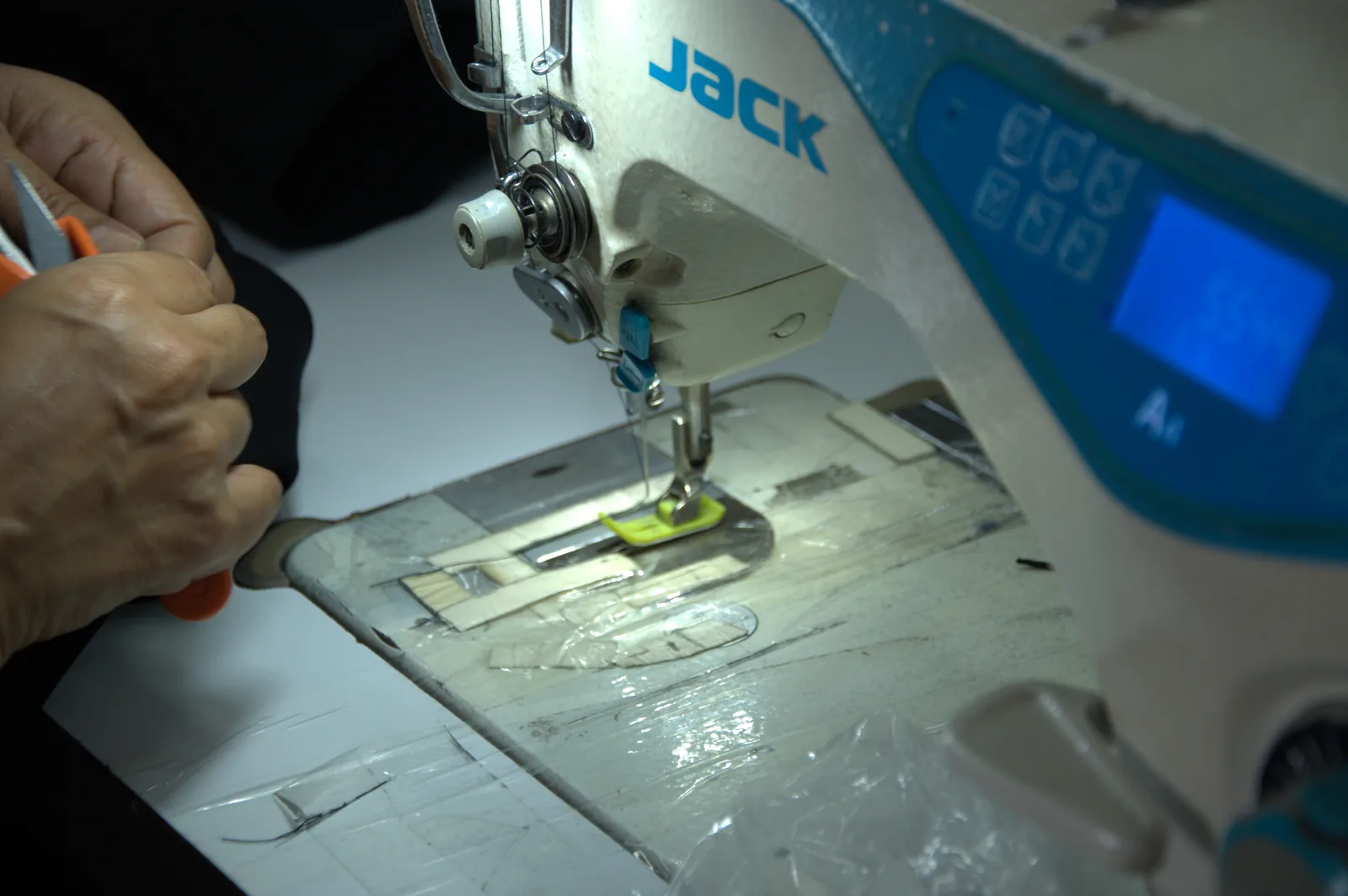
A maquila sells sewing labour, sometimes including cutting. You supply the pattern, the graded sizes, the fabric and every trim. They return sewn garments.
What that means practically: the quote you receive excludes the fabric, the trims, the pattern making, the technical file and the sampling. All of those are still costs, and they are now yours to organise as well as to pay. A maquila price compared against a full package price will look dramatically cheaper for precisely that reason, and the comparison is meaningless.
The term has a second meaning in Mexico that adds confusion: historically it also describes the assembly-for-export regime along the border, where imported inputs are processed and re-exported under specific customs treatment. If a supplier talks about maquila and assembly services, ask which of the two they mean.
Where production is, by region
| Region | Commonly strong in |
|---|---|
| Puebla and Tlaxcala | Denim and knit basics, with a long-established base |
| Guanajuato and León | Denim, leather goods and footwear alongside apparel |
| Aguascalientes | Knitwear and volume production for export |
| Yucatán | Knit garments and uniforms, with Caribbean shipping access |
| Northern border states | Export assembly and the shortest land route into the United States |
| Mexico City and State of Mexico | Sampling, small runs and a concentration of design services |
Filtering by region before filtering by company is the fastest way to shorten this search. A denim plant in Puebla will quote your swimwear reluctantly and produce it worse than a specialist would.
The routes that reach a plant
- State economic development offices. More useful than national bodies here, because apparel production is regional and the state offices know their own plants. Free, and a person answers.
- Industry chambers. The national apparel and textile chambers maintain member directories, which are a reasonable long list.
- Trade fairs. Mexico runs textile and sourcing fairs through the year. One day replaces weeks of email.
- Fabric and trim suppliers. The best referrals in any market, and the least used. They know who buys steadily and whose work comes back.
Search engines build the long list and settle nothing. The plants with full order books are not competing for search traffic.
What to confirm before shipping anything
Under a maquila arrangement you are sending fabric across a border, which raises questions that do not exist in a domestic full package order.
- Who handles the import of your materials, and under what customs treatment? This affects both cost and timeline, and getting it wrong strands your fabric.
- What happens to leftover fabric and cutting waste? It belongs to you and it has customs implications.
- What is the minimum, per style and per colour? Two numbers, and only one usually gets quoted.
- What is the lead time in business days, counted from what? From your fabric arriving, not from the purchase order.
- Who inspects, and when? During the run or after it. After is a remake.
- Is the price EXW, FOB or DDP? Comparing across terms is comparing nothing.
And visit, or send someone. It is the one check that cannot be faked, and Mexico is close enough to the United States that there is no excuse not to.
When Mexico is the right answer, and when it is not
Mexico's strongest argument for a US brand is the land border: freight by truck, days rather than weeks, and a trade relationship that keeps duties predictable. For denim and for volume knit basics the industrial base is deep and long-established.
Where it is weaker is full package availability. The Mexican base skews towards maquila, so a brand without a technical team frequently needs to buy development separately or look at markets where full package is the norm. How the region compares covers those trade-offs by country.
Frequently asked questions about clothing manufacturers in Mexico
How do I find clothing manufacturers in Mexico?
Through state economic development offices, the national apparel and textile chambers, trade fairs, and referrals from fabric suppliers. State-level bodies are usually more useful than national ones because production is regionally concentrated.
What is a maquila in clothing?
A plant that sells sewing services, sometimes with cutting, on materials the client supplies. It is the local term for cut-make-trim, and it excludes fabric, trims, pattern making and development.
What is the difference between a maquila and full package?
Who buys the materials and who owns the development. Full package includes both. A maquila includes neither, which is why its price looks lower and why the total is often not.
What are typical minimums in Mexico?
They vary widely by plant and category, and the number that matters is per style and per colour rather than per order. Confirm both in writing before planning around a quantity.
Do Mexican manufacturers work in English?
Export-oriented plants generally do. Below that tier it becomes harder, and for the technical conversation about construction and tolerances a translator is a reasonable investment.
Is Mexico cheaper than Asia for apparel?
Rarely on unit price. Frequently cheaper on total landed cost for a US brand, once freight, transit time and inventory risk are counted, and considerably faster.
Mexican apparel manufacturers: what the map actually looks like
Mexican apparel manufacturers cluster in three corridors. Puebla and Tlaxcala handle knitwear, Torreón is the denim belt, and the northern border states run cut and sew under the IMMEX customs programme. Most are contract sewing shops rather than full package plants, which means you arrive with fabric, patterns and a graded tech pack, or you do not start.
Cotton garments and the lowest entry volumes
Cotton basics carry the smallest opening quantities of any category, in Mexico and everywhere else, because the knit is domestic and the pattern is simple. A plant that quotes cotton tees at a few hundred pieces per colour will quote several times that for anything structured. Ask for the quantity per colour and not per style, since suppliers quote whichever number sounds better.
Who we are, since we are not in Mexico
GAT Fashion Lab manufactures in Cali, Colombia, under a full package model, and has for over twenty years. We are worth considering if what you need is a supplier who also handles development and sourcing rather than sewing alone, and if your buyers are in the Americas. If a land border into the United States is the deciding factor, Mexico is the better answer and we would rather say so.
To compare a full package number against the maquila quotes you are collecting, describe your garment in our quoting tool. Free, minutes. From Colombia to the world.