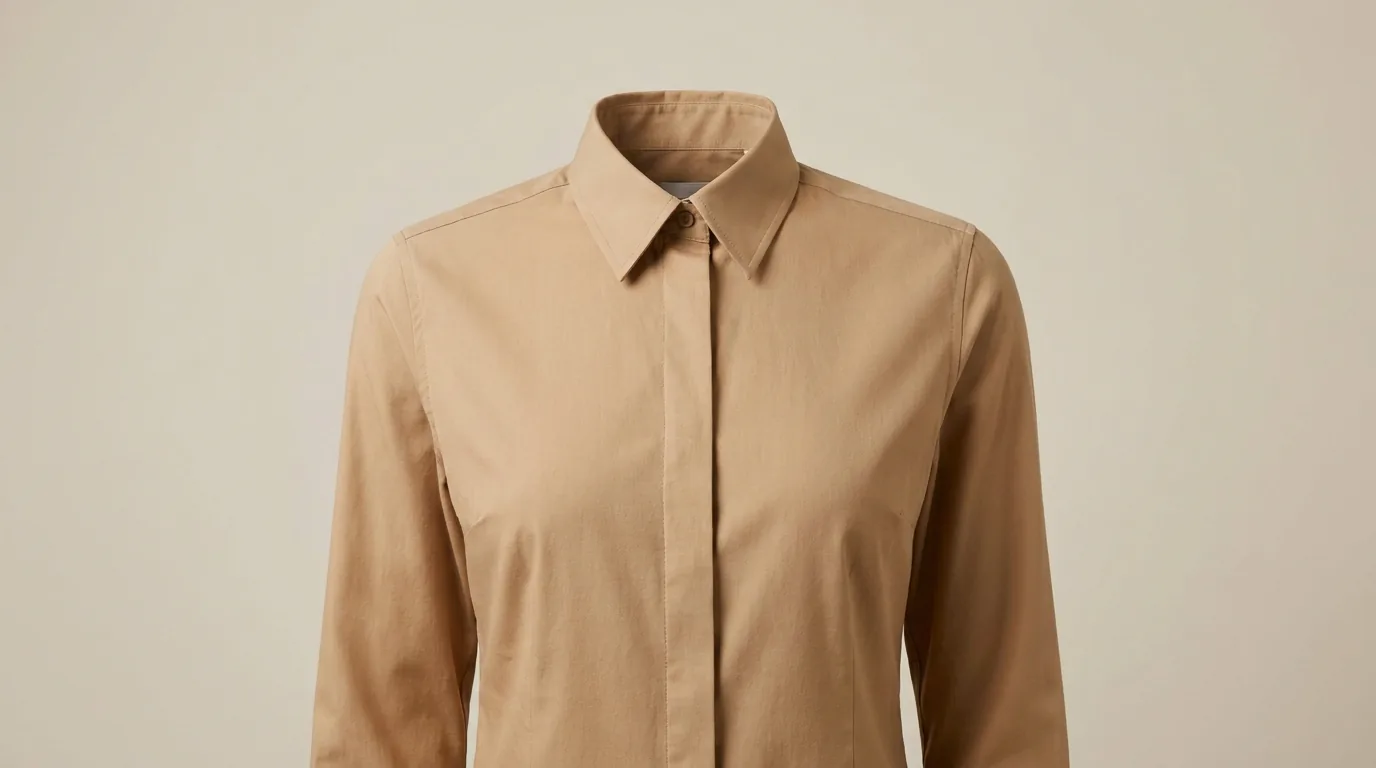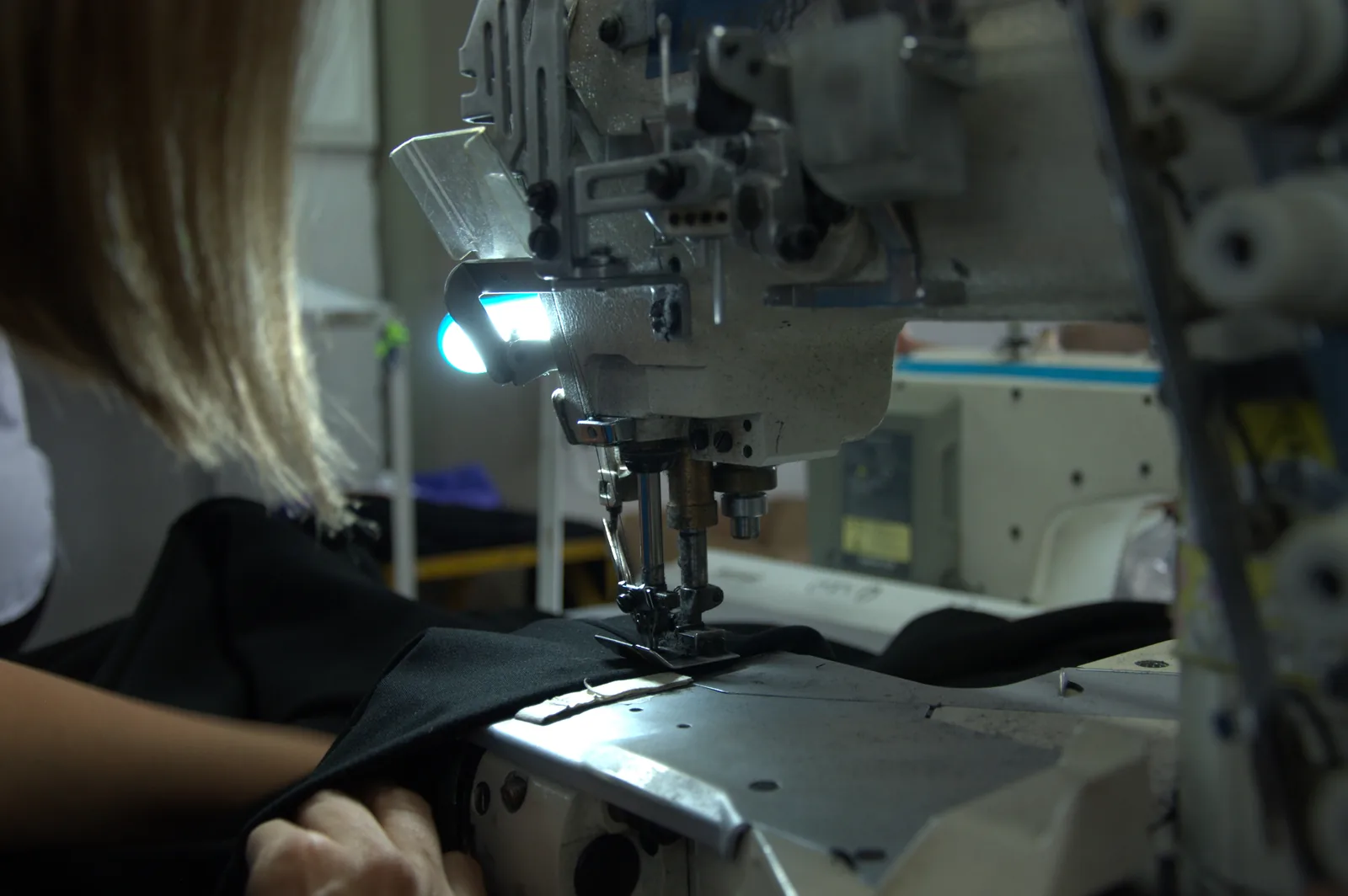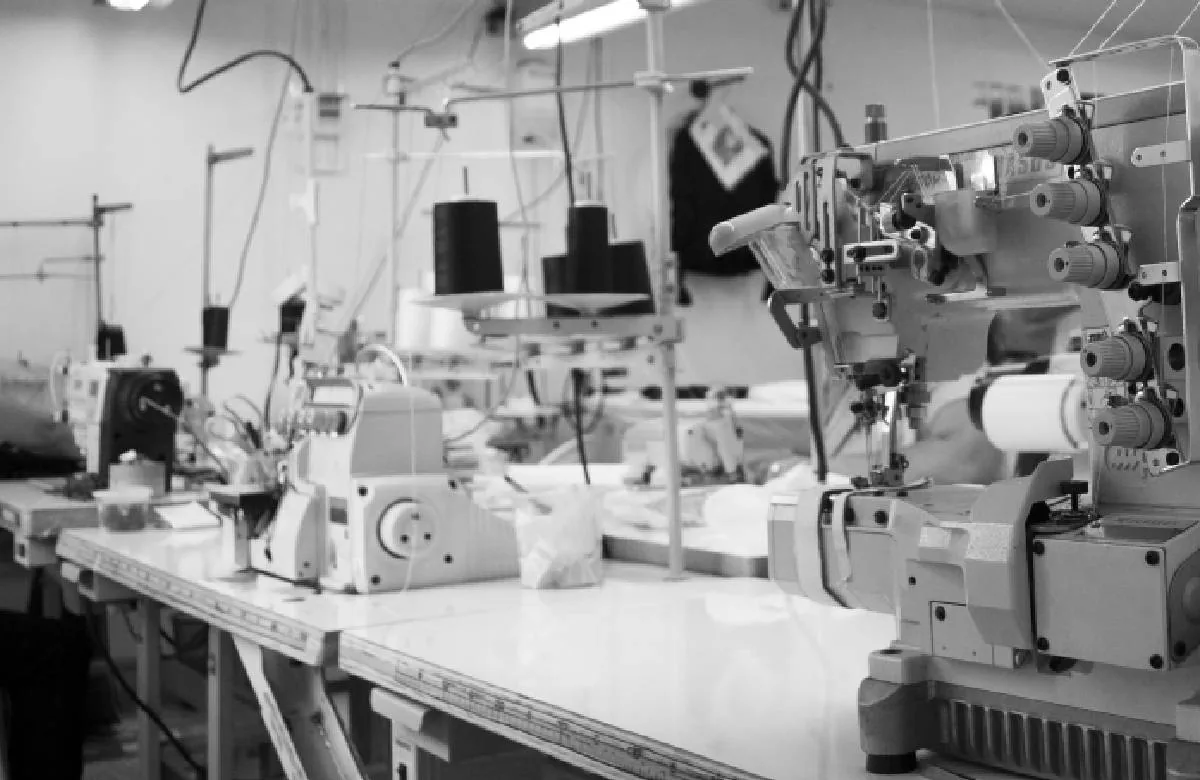

A validated 3D sample takes under five hours to produce from a drafted pattern. The physical sample that follows is sewn in under 24 hours once the design is approved and materials are on hand. Development end to end runs two to eight weeks, and waiting for fabric is what sets that range.
Those are our numbers, from our sample room, and they are worth stating plainly because sample lead times are quoted vaguely across this industry. What follows is where each hour goes, so you can tell whether a quote you have received is realistic.
The eight stages of a sample, and what each costs in time
| Stage | What happens | Time |
|---|---|---|
| 1. Materials in | Fabric, trims, labels, thread arrive at the workshop | Days to weeks. The real variable |
| 2. Pattern drafting | Pieces drawn and graded across the size run | Hours to days by complexity |
| 3. Engineering | How it will be sewn, in what order, on which machines, and the resulting cost estimate | Hours |
| 4. Cutting | Pattern printed, pieces cut | Hours |
| 5. Sewing | The garment assembled, with operation times measured | Under a day for most garments |
| 6. Measuring | Checked on a fit model against your measurement chart | Hours |
| 7. Adjustments | Pattern corrected, garment remade or altered | The loop. Each round repeats stages 2 to 6 |
| 8. Handover | Sample presented with its production cost estimate attached | Same day |
Read that table and the answer to "why does sampling take weeks" becomes obvious. Sewing a sample is a day. Everything else is waiting for materials and going around stage seven more than once.
Where 3D removes the wait
Stage seven is the expensive one. Under the old sequence, correcting a fit meant redrafting the pattern, printing it, cutting again and sewing again, so each round of feedback cost days and a garment's worth of fabric.
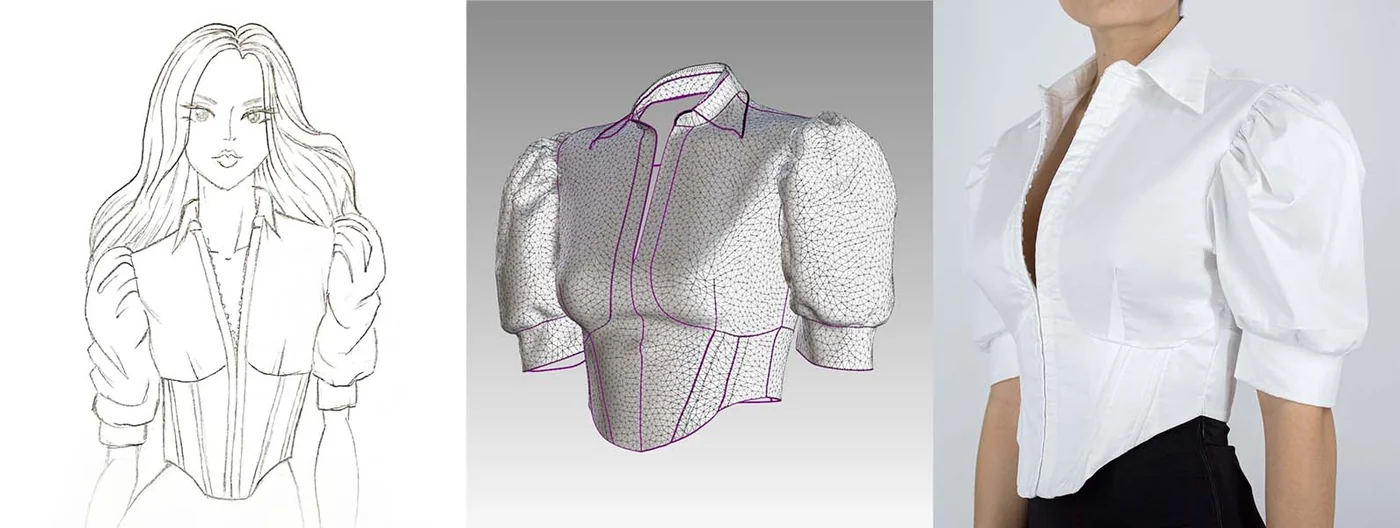
Simulating the garment from its 2D pattern moves that loop onto the screen. The pattern is stitched virtually around a fit model, the drape is simulated with the fabric's measured parameters, and the corrections land on the pattern directly. We reach a photorealistic render in under four hours, with parametric patterns already adjusted per size, and we can iterate it as many times as the design needs before anyone cuts anything.
Once the 3D version is approved, the physical sample gets sewn in under 24 hours, because by then the pattern is right.
What 3D does not shorten
Two things, and they are the two that dominate the calendar.
Sourcing. If the fabric has to be ordered, woven or imported, the sample waits regardless of how fast the pattern work is. This is why our development window is a range rather than a number, and why arriving with a fabric already chosen shortens everything downstream.
The materials verdict. A render cannot tell you how a cloth feels or whether the colour is right, so a physical sample stays in the process. Anyone offering to skip it entirely is offering you a surprise at production.
The honest summary: 3D compresses fit and proportion from weeks into hours, and leaves sourcing and material approval exactly where they were. What 3D clothes design replaces goes into that boundary.
What a sample costs you, in things other than money
Every round of physical sampling consumes fabric, machine time and an operator's day, and those costs land whether the sample was right or wrong. Moving the wrong versions onto a screen removes that waste entirely, which is the argument for 3D that survives scrutiny. The environmental case is the same case: fabric not cut is fabric not thrown away.
What it does not do is make sampling free. A physical sample is still a garment made one at a time by skilled hands, and it is priced accordingly. It is also the cheapest insurance available against a production run of something that does not fit.
Frequently asked questions about sample turnaround
How long does a clothing sample take?
With materials on hand and a drafted pattern, a 3D sample takes under five hours and a physical one under 24. Counting from a first conversation, with sourcing included and fit corrections allowed for, expect two to eight weeks.
What makes a sample take longer?
Almost always fabric. A material that has to be sourced, dyed or imported sets the schedule. After that, the number of fit corrections, which is a function of how new the garment is rather than how fast the factory works.
How long does it take to make a shirt in a factory?
As a single sample, hours of actual work spread over a day. In a production run, a shirt is measured in minutes of operator time per unit, and the run length depends on the quantity and the queue rather than on the garment.
How much does a garment prototype cost?
It varies with the garment, the fabric and how much has to be developed, so a number quoted without those is a guess. What we can say is that it is charged per sample and that it falls sharply when the design is a variation on something known rather than entirely new. Put your garment through the quoting tool for a real figure.
Do I need a tech pack before requesting a sample?
Not with us. A reference photograph is enough, and the technical file is drawn during development. If you already have one it shortens the pattern stage.
Can I approve a garment from a 3D render alone?
You can approve fit, proportion and construction from it, and we routinely do. You should not approve fabric or colour from it, and we will send a physical sample before production either way.
How we work
Sample development at GAT Fashion Lab runs in our own workshop in Cali, Colombia, alongside the production line rather than at a separate studio, which is why an adjustment can be made the same day it is spotted. We have been developing collections here for over twenty years, taking briefs from a trend direction or from a photograph of something a brand already likes. Denim and tailored outerwear are outside what we make.
To get a real turnaround and a real number for your garment, describe it in our quoting tool. No charge, minutes for the estimate, then an advisor. From Colombia to the world.