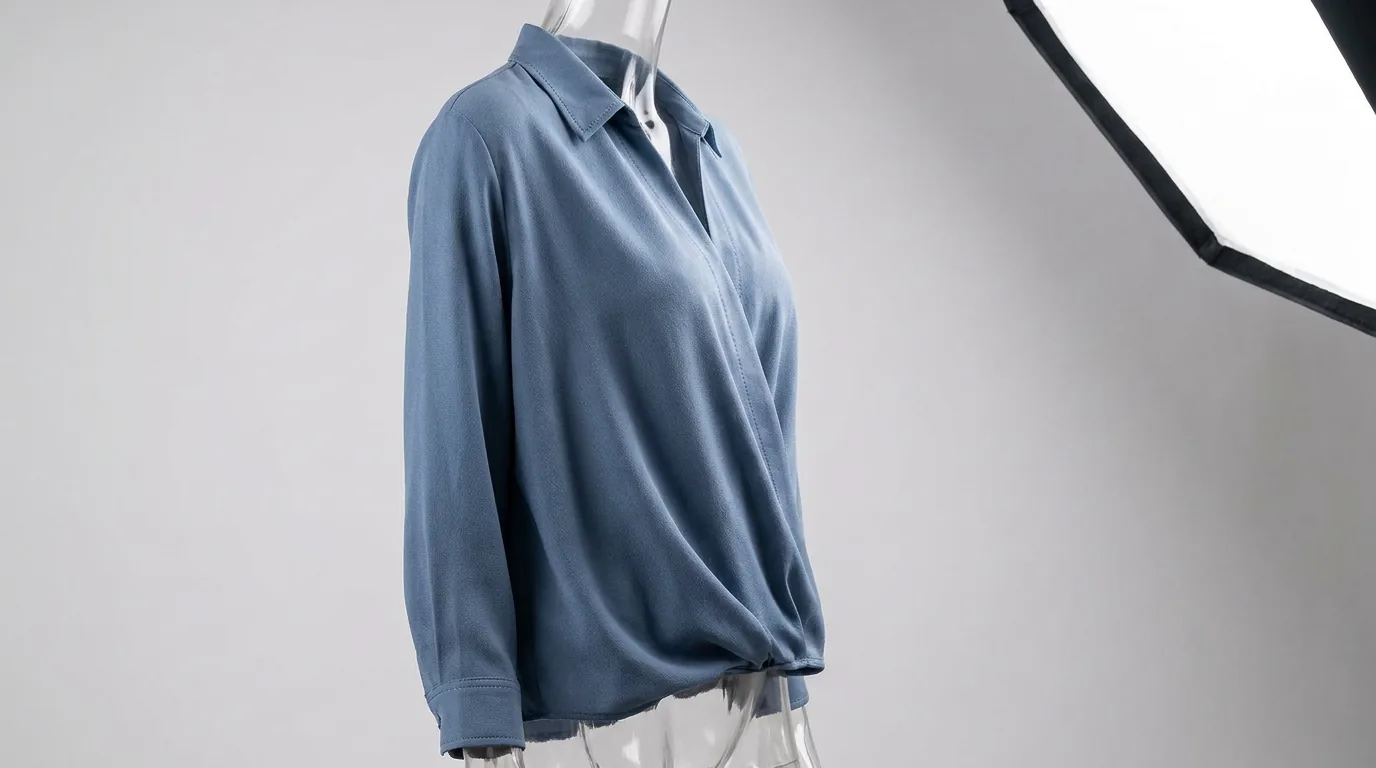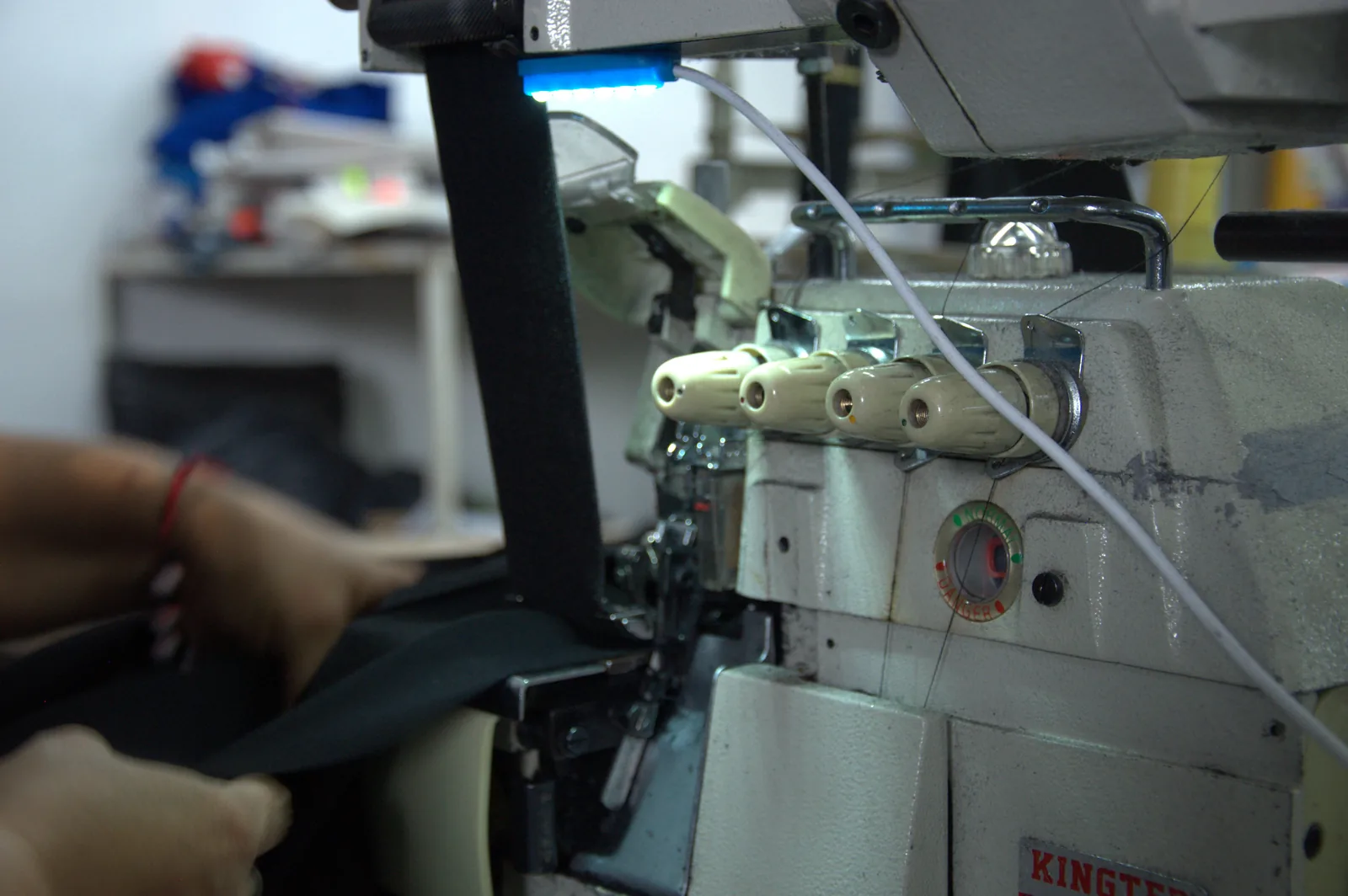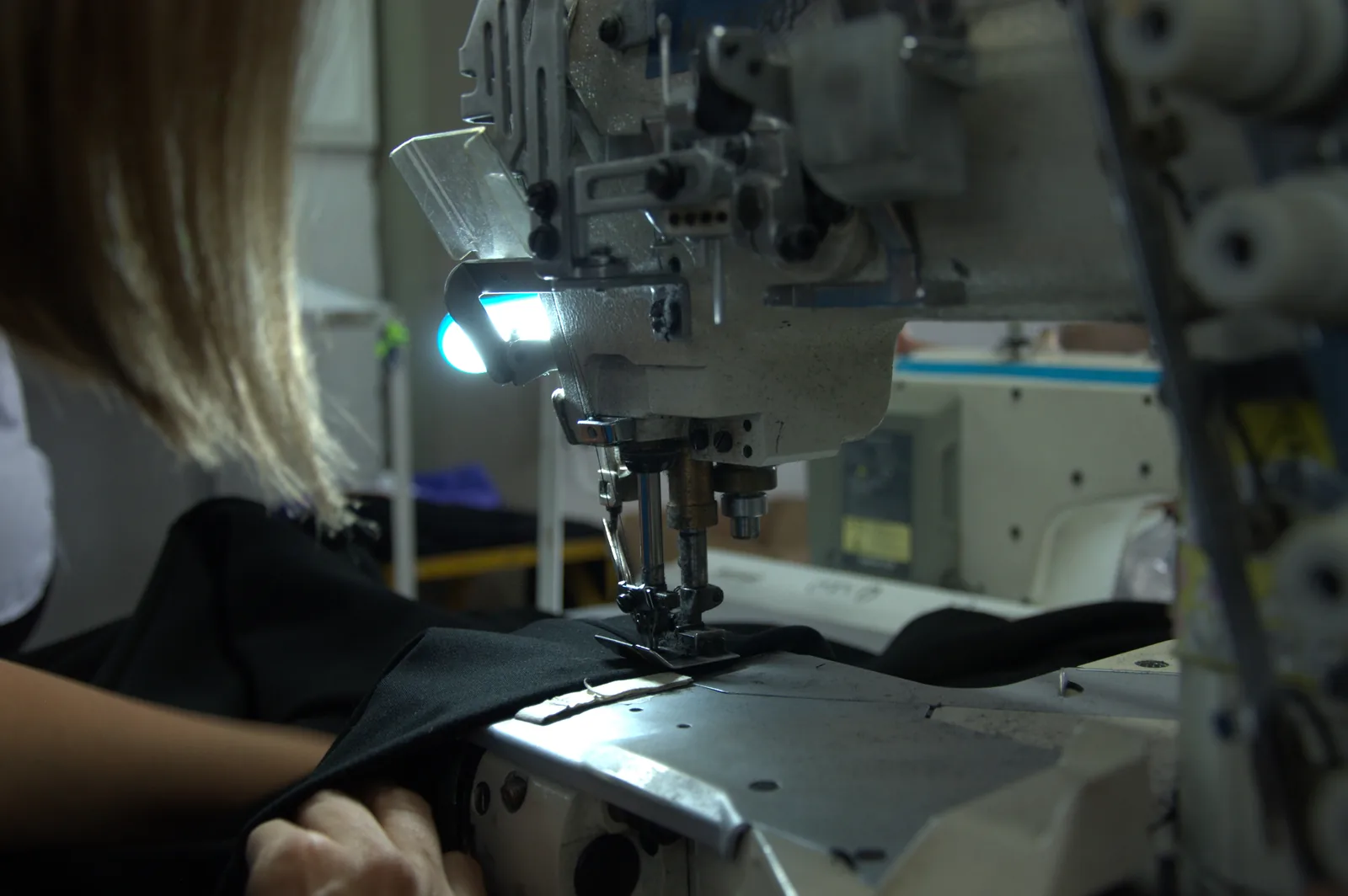

3D clothes design builds a garment as a digital model from its flat pattern, so fit, proportion and drape can be judged on screen before anything is cut. It replaces most sampling rounds, not all of them. Hand feel and true colour still need a physical sample.
We run this on live orders, so the useful thing we can add is the boundary: which decisions we now make on screen, and which ones we refuse to make there because we have been wrong doing it.
What 3D fashion design is
It is pattern-driven simulation. The 2D pattern pieces, the ones that would be cut from fabric, get stitched together in software around a virtual body, and the program simulates how the chosen fabric behaves: how it hangs, where it pulls, how a seam sits over a shoulder.
This is the part most explanations get wrong. It is not 3D modelling in the sculpting sense, where you shape a garment like an object. The garment is generated from the same pattern the factory would use, which is precisely why it predicts anything at all. Change the pattern, the simulation changes. Change the fabric parameters, the drape changes.
The consequence: a 3D sample is only as honest as its pattern and its fabric data. A beautiful render from an unmeasured fabric is a picture, not a test.
Where it changes a development, concretely
| Decision | Before 3D | With 3D |
|---|---|---|
| Is the proportion right? | A physical sample, weeks | Hours, and as many versions as you want |
| Does the pattern hang correctly? | Cut, sew, look, correct, repeat | Seen in the simulation, corrected in the pattern |
| How does it look in four colourways? | Four samples | One model, four renders |
| Does the fabric feel right? | Physical sample | Physical sample. No change |
| Is the colour the colour? | Physical, under controlled light | Physical. Screens lie |
The pattern is where the saving lands. Iterating a pattern used to cost a sewn garment each time. Now the expensive round trips happen before anyone touches the cutting table, and the physical sample arrives closer to right on the first attempt.
What it does not replace
Two things, and being clear about them is what keeps 3D useful instead of oversold.
Materials. A simulation approximates weight and stretch from measured parameters. It does not tell you that this jersey pills after four washes, or that this lining feels cheap against skin. Those are decisions made by holding cloth.
Colour. A screen shows emitted light, fabric shows reflected light, and they do not agree. Approving colour from a render is how a production run comes out a shade off and nobody can say whose fault it was.
So the honest sequence is: 3D to lock fit, proportion and pattern; physical sample to lock materials, colour and finish. Anyone selling you 3D as a full replacement for physical sampling is selling you a return rate.
3D in fashion beyond the sample room
The same asset gets reused in ways that have nothing to do with production. Buyers review collections from digital renders before a line is made, which lets a brand commit to production against real orders rather than a forecast. Marketing pulls product imagery months before there is a garment to photograph. Some brands sell digital-only pieces outright.
Sustainability is the argument that gets made most and it is real, though smaller than the headlines suggest. Sampling is a modest share of a brand's fabric consumption. Cutting it by most of its volume is worth doing and it does not make a collection sustainable on its own.
The software
The category is dominated by a handful of pattern-based simulation tools, and the differences between them matter less than two things you control: whether your patterns are digital and correctly drafted, and whether you have real fabric parameters loaded. Studios that adopt the software without those two end up with renders that look good and predict nothing.
If your manufacturer already works in 3D, you do not need the software yourself. You need to be able to read what they send you and say yes or no to it.
Frequently asked questions about 3D clothes design
What is 3D fashion design?
Simulating a garment digitally from its flat pattern so that fit, proportion and drape can be evaluated before cutting fabric. It is used to validate patterns and to reduce the number of physical samples in a development.
Can 3D design replace physical samples completely?
No. It replaces the rounds that test fit and proportion, which are most of them. It cannot test hand feel, true colour or how a fabric wears, so at least one physical sample stays in every development we run.
How much faster is 3D sampling?
A physical sample takes weeks. A digital one built from an existing pattern takes hours. The saving is in the iterations, so the more corrections a design needs, the more the difference compounds.
Do I need to know 3D software to use this?
Not if your manufacturer runs it. You receive renders and turntables and approve or correct them the same way you would a photograph of a sample.
Is 3D design worth it for a small brand?
Yes, and arguably more than for a large one, because a small brand feels the cost of a wasted sample round harder. The catch is that it only helps if someone is drafting proper digital patterns, which is a manufacturer capability rather than a software purchase.
Does 3D design work for any garment?
It works best on garments whose behaviour is governed by drape and fit. Highly structured pieces, heavy tailoring and anything with complex internal construction are less well predicted, and those still lean on physical work.
Working with a manufacturer that does 3D sampling
3D sampling saves time only when the plant rendering the garment is the one that will sew it, because the avatar has to carry the real block and the real fabric behaviour. A render made by a studio and handed over afterwards starts the fit conversation from zero. Ask whether the digital sample comes from the pattern that gets cut, and ask to see one physical piece next to its render before committing a run. That is how our product development service is set up.
How we work
Every development at GAT Fashion Lab passes through 3D before it reaches the cutting table. Patterns are drafted digitally, simulated, corrected on screen, and only then made physically, which is what takes sampling from weeks down to hours for the fit questions. We still build a physical sample for materials and colour, and we say so rather than pretending otherwise. The step-by-step of how that runs is in from weeks to hours in sample production. Sampling is one stage of the custom clothing manufacturing we run end to end.
If you want a garment developed this way, describe it in our quoting tool. It is free, an estimate comes back in minutes, and an advisor takes it from there. From Colombia to the world.