
In fashion garment manufacturing, efficient resource management, including finances, time, and materials, is essential for the sustainable success of businesses.
Adopting a comprehensive approach, known as the "Full Package," emerges as the key to standing out in the textile industry. In this article, we will look at the fundamental keys of the Full Package and why choosing this option over maquila or other forms of garment manufacturing can make a difference in the competitive fashion scene.
What is the Full Package in the Fashion Industry?
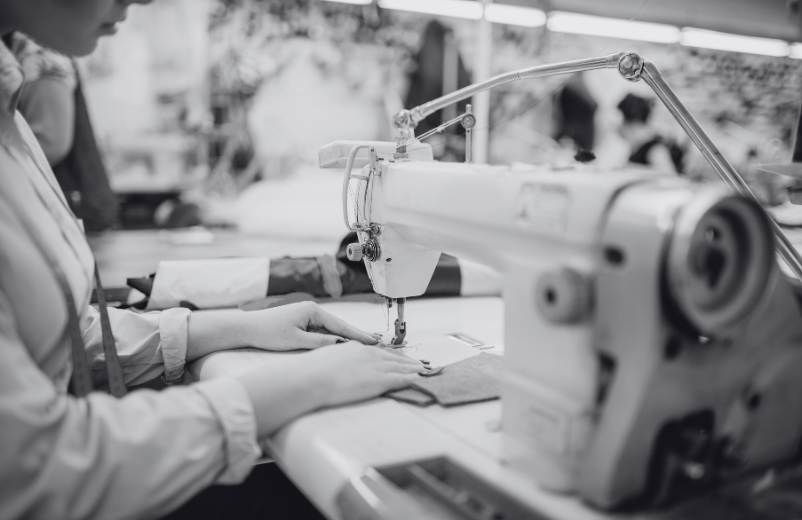
The Full Package in fashion goes beyond just garment production. It encompasses everything from design conception to the delivery of finished products. Instead of limiting itself to a single aspect of the process, it integrates all phases of production, from initial design to distribution logistics.
Recommended: How to Find a Clothing Manufacturer with Full Package Service
Keys to the Full Package for Successful Fashion Companies
1. Design and Product Development: Innovation from the Start
The Full Package begins with a robust trend research process before transitioning to design. By integrating the product development phase, companies can stay agile in a market where the rapid introduction of new trends is essential and key to outshining the competition.
Companies offering Full Package services often develop digital samples to streamline the design approval and correction process in real-time without the need to manufacture any garments, making the design and product development phase more sustainable.
2. Efficient Production: From Maquila to Total Control
Unlike maquila, where production is outsourced and focused solely on manufacturing, the Full Package provides total control. This allows for maintaining high-quality standards, managing production times, and quickly adapting to changes in market demand.
3. Inventory Management and Logistics: Resource Optimization
Inventory management and supply chain logistics are key parts of the Full Package. This ensures that materials are available when and where they are needed, minimizing costs associated with excessive storage or inventory shortages.
4. Integrated Quality Control: Guarantee of Excellence
Quality is the cornerstone of fashion. With the Full Package, quality control is integrated into the entire process, from material selection to the final product review, ensuring excellence in every piece produced.
5. Adaptability to Trends: Unmatched Flexibility
The fashion world moves quickly, with trends changing in the blink of an eye. Opting for the Full Package allows companies to agilely adapt to new trends, keeping their product offerings fresh.
Prominent Full Package providers in the market have research teams that conduct weekly committees to stay updated on industry developments, offering clients updated designs as a competitive advantage.
Recommended: How to Find Clothing Manufacturers in Small Quantities for Emerging Brands
Why Choose the Full Package Over Maquila?
a. Consistent Quality Control and Standards:
With the Full Package, each phase of the process adheres to rigorous quality standards. This results in consistent products and a strong brand reputation.
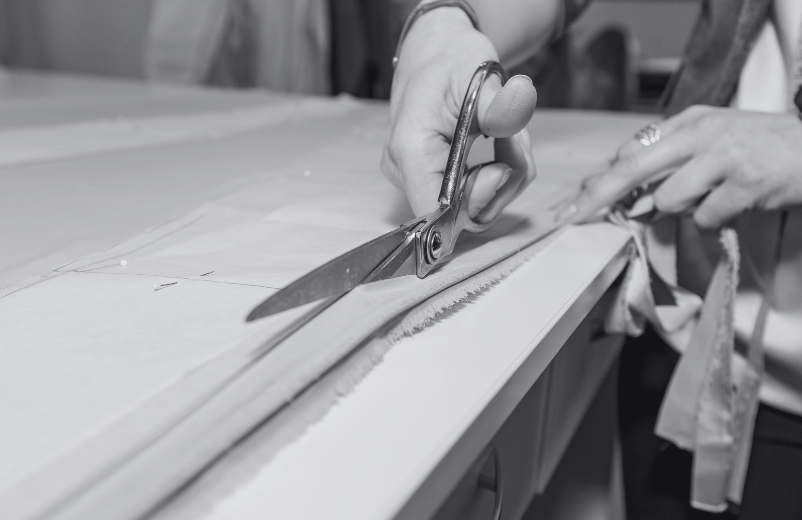
It's essential to highlight that maquilas only handle a part of the garment manufacturing process, leading to quality instability as different entities handle each part.
b. Greater Flexibility and Adaptability:
In comparison to maquila, the Full Package provides fashion companies with greater flexibility to adjust to changes in market demand and fashion trends.
Maquilas typically receive direct and punctual orders with no opportunity for changes. In case of errors, an extra percentage is charged.
c. Process Integration:
Process integration in the Full Package allows for more efficient and transparent management, eliminating coordination issues that often arise with maquila.
d. Greater Control over the Production Cycle:
With the Full Package, fashion companies have total control over the production cycle, from initial design to distribution, enabling more precise planning and efficient execution.
Major retailers in the industry choose Full Packages due to their process assertiveness, such as quality and exact fulfillment times.
Recommended: Everything You Need to Know About Manufacturing Under the Full Package Model (FPP)
The Full Package as a Winning Strategy in Fashion
In a market as competitive as fashion, choosing the Full Package emerges as a winning strategy. By integrating all phases of the process, from design conception to final delivery, fashion companies can not only stay competitive but also stand out for their quality, flexibility, and adaptability.
In comparison to options like maquila, the Full Package offers comprehensive resource management that is essential for sustainable success in the fashion industry.
The choice is clear: the Full Package is not just an option but the intelligent choice for fashion companies aspiring to long-term success. At GAT Fashion Lab, we have over 15 years of experience in the Full Package industry. To learn more about this service, click here.