
Soccer jerseys are made in contract factories, not by the brand on the badge. Check the inner label of almost any kit and it will name a country in Asia, most often Thailand, Vietnam, Indonesia or China, with a growing share made in Latin America and North Africa. The fabric is nearly always knitted polyester.
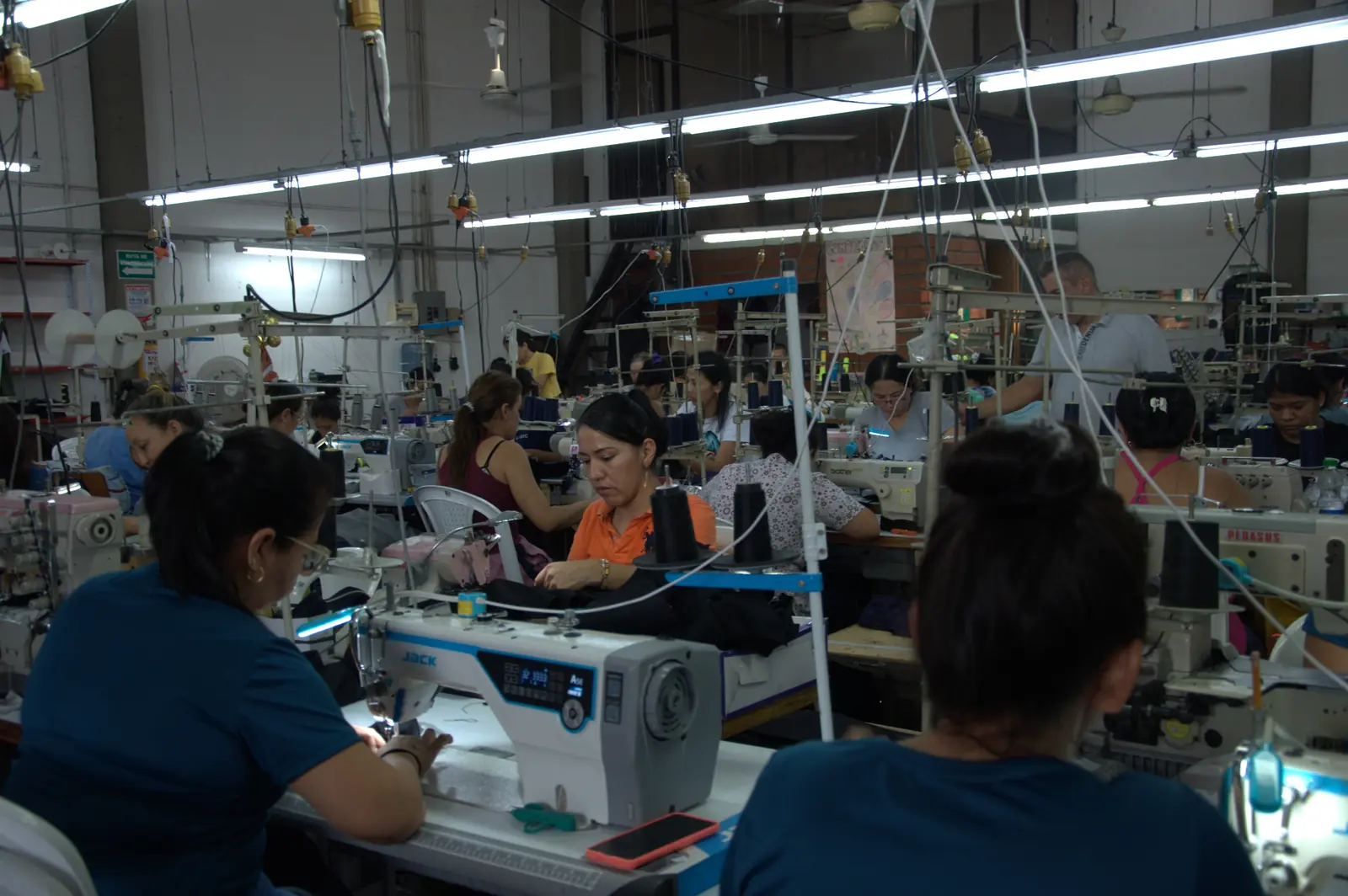
We are one of those contract factories, on the Latin American side, which is why we can describe the process rather than guess at it.
Why the brand on the shirt is not the maker
Sportswear brands are design, marketing and distribution businesses. Owning and running garment plants is a different business with different economics, and most of them exited it decades ago.
What the brand supplies is the design: silhouette, colourway, badge and sponsor placement, and the technical specification for fabric and construction. What the factory supplies is everything that turns that into a garment. This is why a jersey carries a European or American brand and a label naming a country neither of them is in.
Two arrangements exist. A small number of brands own plants outright. The overwhelming majority contract production, either as cut-make-trim with the brand supplying materials, or as full package with the factory sourcing them. The difference between those two decides who carries the risk on fabric.
What soccer jerseys are made of
Knitted polyester, in the great majority of cases, and the reason is physical rather than commercial. Polyester absorbs very little water, so sweat moves through the fabric and evaporates instead of being held in the fibre. A cotton shirt holding the same sweat gains noticeable weight and clings.
Within that, the construction varies a lot:
- Player-issue kits use lighter knits, engineered mesh panels at the back and sides for airflow, and flat or bonded seams where a normal seam would chafe. Fit is closer to the body.
- Replica kits sold to supporters use a simpler, heavier knit that survives domestic washing better, with the same graphics and a looser fit.
- Elastane appears in small percentages when the fit is close. It is there for recovery, so the shirt returns to shape, not for stretch.
Recycled polyester has become common across the category, and it performs essentially the same as virgin polyester for this use.
How one gets made, stage by stage
- Design handover. The brand or club supplies graphics, colours and placements.
- Pattern and technical file. Graphics become flat pattern pieces and a measurement chart per size. Fit is decided here.
- Sample and approval. One unit sewn, measured against the chart, corrected. Nothing proceeds without sign-off.
- Sourcing. Fabrics, meshes, threads, elastics and labels. Club colours frequently need a custom dye lot, and that is what usually sets the schedule.
- Cutting. Fabric spread, marker laid, pieces cut by size.
- Printing and sublimation. All-over graphics go on before assembly. In sublimation the dye becomes part of the fibre, so there is nothing to feel and nothing to crack.
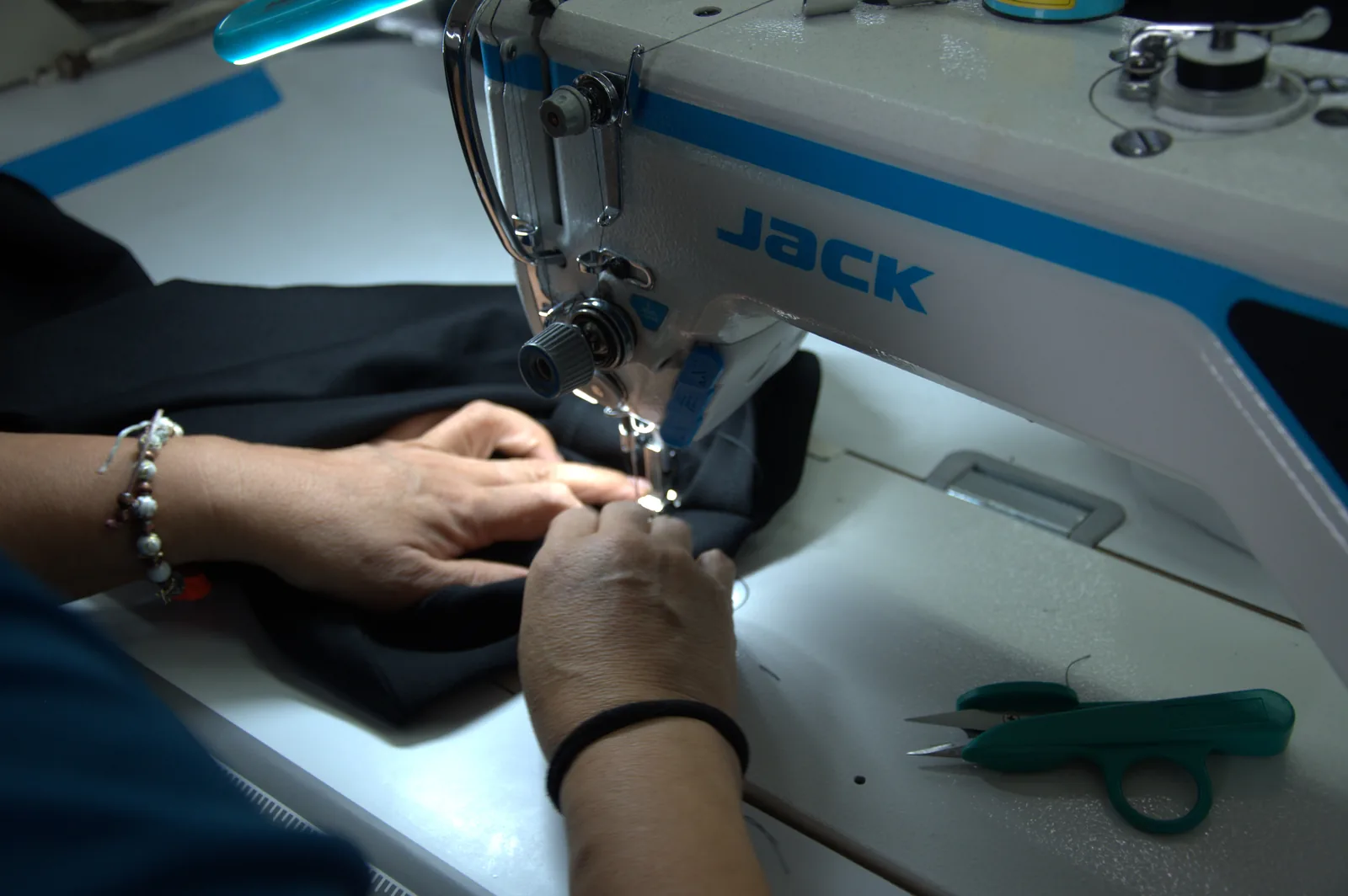
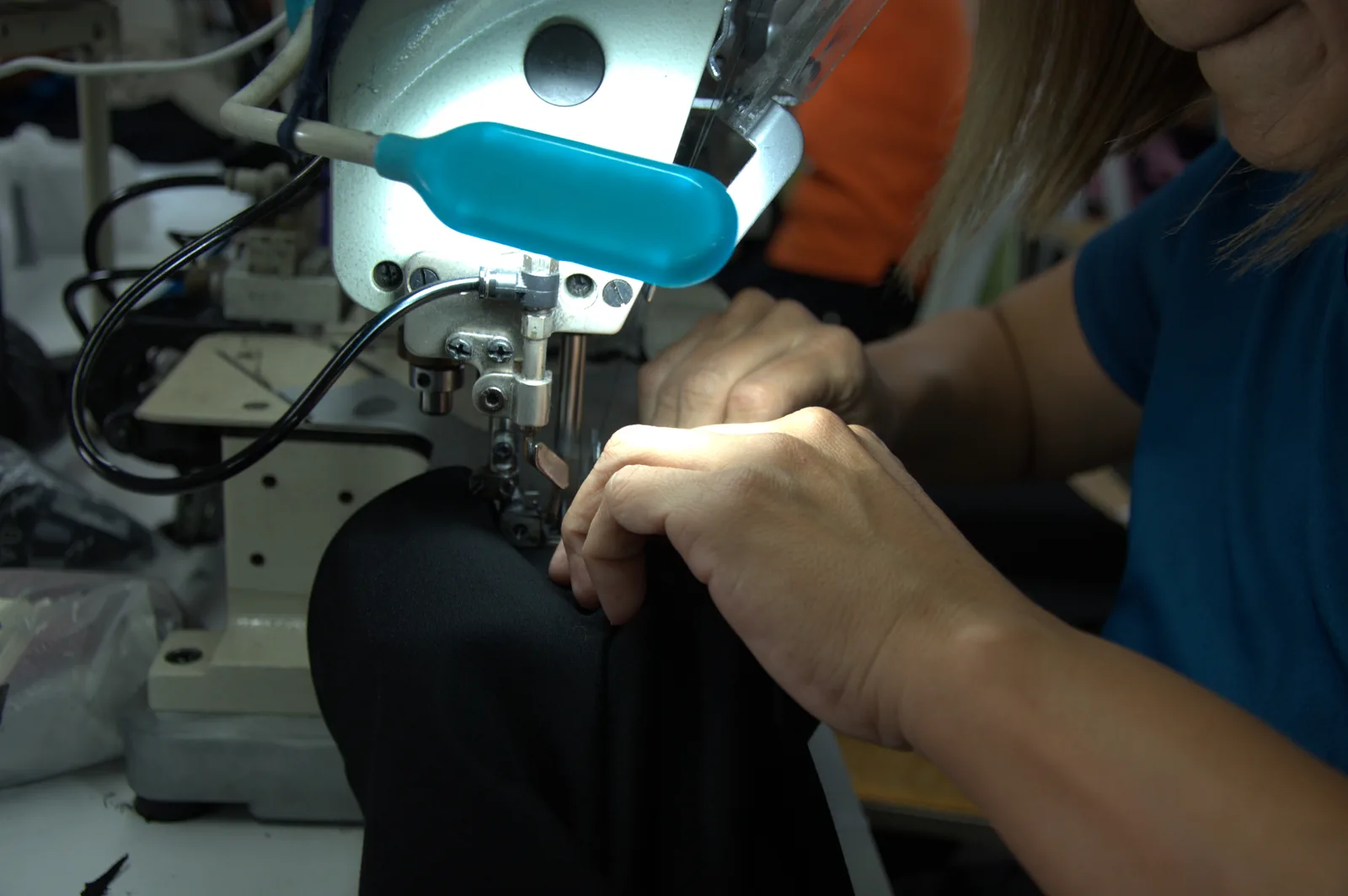
- Sewing. More operations than the garment looks like it needs, because of mesh panels, reinforcements and specialist seams.
- Numbers and badges. Applied last, on the finished garment, because they depend on the player and the size.
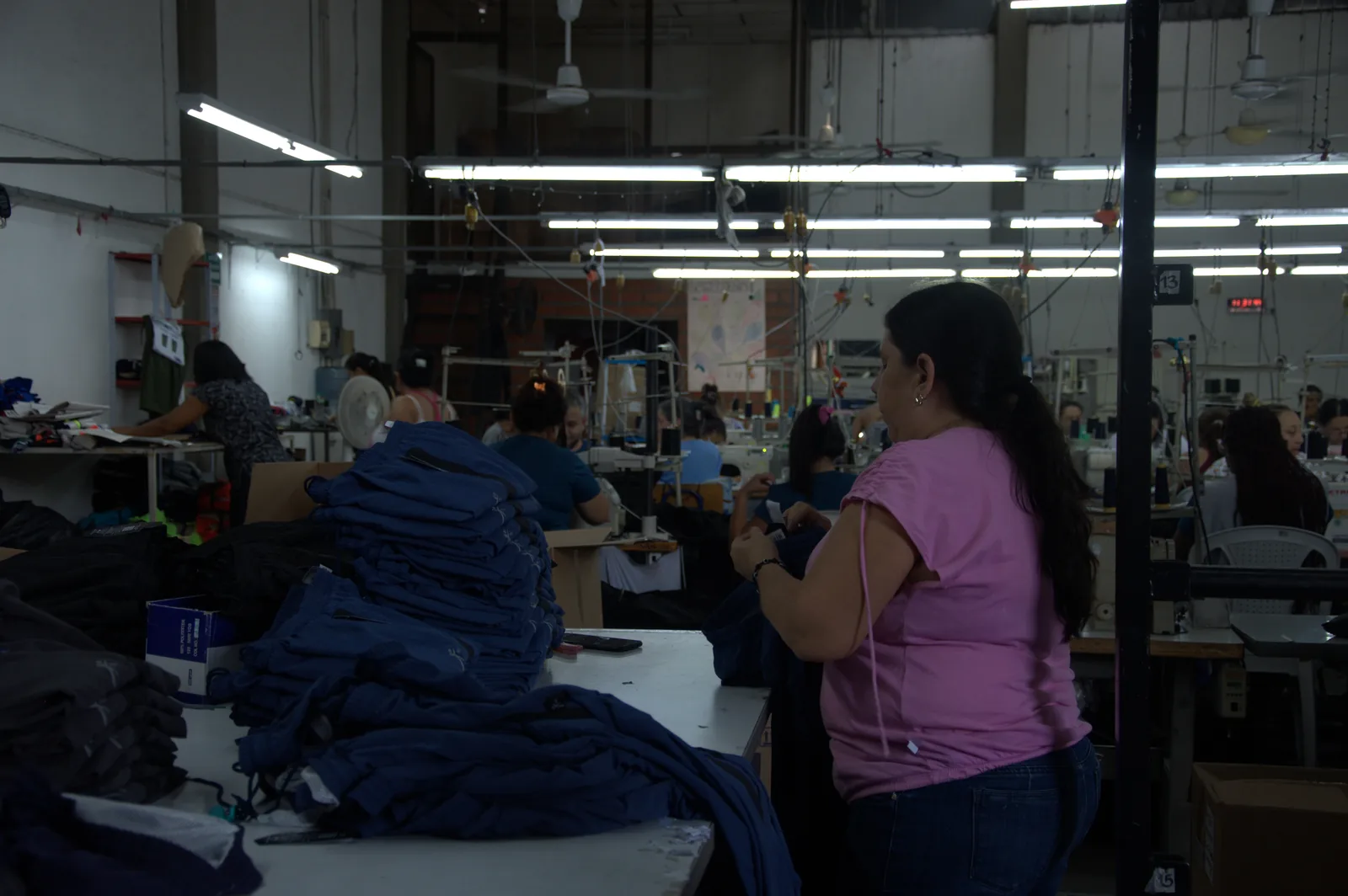
- Quality and packing. Checked against the file, folded, packed.
Ordering kit for a club or a brand
If you are commissioning rather than researching, three things decide the quote.
Quantity per style and colour. Home and away are two styles, not one, and each colour of each is a separate minimum. This is the number that surprises clubs most.
Decoration method. Sublimation for full-fabric graphics, transfer or vinyl for numbers and names, embroidery for crests. Each has a different setup and a different durability.
Size curve. A squad needs a spread of sizes rather than a stack of mediums, and youth sizing is a separate pattern set rather than a scaled version of the adult one.
Frequently asked questions about soccer jerseys
Where are soccer jerseys made?
Mostly in contract factories in Asia, with Thailand, Vietnam, Indonesia and China appearing most often on kit labels, and increasing production in Latin America and North Africa. The country is printed on the inner label of the shirt itself.
What are soccer jerseys made of?
Knitted polyester in almost all cases, frequently recycled, sometimes with a small percentage of elastane for recovery. Polyester is used because it holds very little water and moves sweat away from the body.
Are adidas soccer jerseys made by adidas?
Designed and specified by the brand, produced by contract manufacturers. This is standard across every major sportswear label, and it is why kit labels name countries where the brand has no company of its own.
What is the difference between a player and a replica jersey?
Fabric and construction. Player versions use lighter knits, engineered ventilation and low-friction seams, in a closer fit. Replicas use a more durable knit and a relaxed fit, with identical graphics.
How are numbers put on a soccer jersey?
After the shirt is sewn, using heat transfer, vinyl or embroidery. Doing it at the end is what allows the same production run to be personalised for different players.
Can a small club get custom kit made?
Yes, and it is routine work for plants organised around short runs. Plan around minimums counted per style and per colour, and remember that home and away kits count separately.
Why do clubs sell their own clothing line?
Because the revenue is entirely theirs. A club's casual range, tees, hoodies and caps, carries no sponsor branding, which means it needs a garment manufacturer rather than a kit supplier.
How jerseys are made, from panel to name and number
A jersey starts as flat panels of performance knit, usually recycled polyester with a moisture management finish, cut so the grain runs the same way on every piece. Graphics are sublimated into the fabric before assembly rather than printed on top, which is why team colours on a good jersey do not crack after a season. Panels are then joined with flatlock or overlock seams chosen for where the arm moves.
Names and numbers go on last, heat pressed or sublimated depending on the league rulebook, and the piece is inspected against the size chart before packing. The order in which those steps happen is what separates a jersey built to be worn from one built to be photographed.
How we work
GAT Fashion Lab has manufactured in Cali, Colombia, for more than twenty years, and since 2023 has worked with one of the world's largest sportswear brands on the kit for one of Colombia's biggest football clubs. On that project the client supplies the design and we turn it into samples, corrections, approvals and production, at the standard worn by professional players and supporters alike.
If you need kit produced for a club, an academy or a brand, describe it in our quoting tool. No charge, an estimate in minutes. From Colombia to the world.