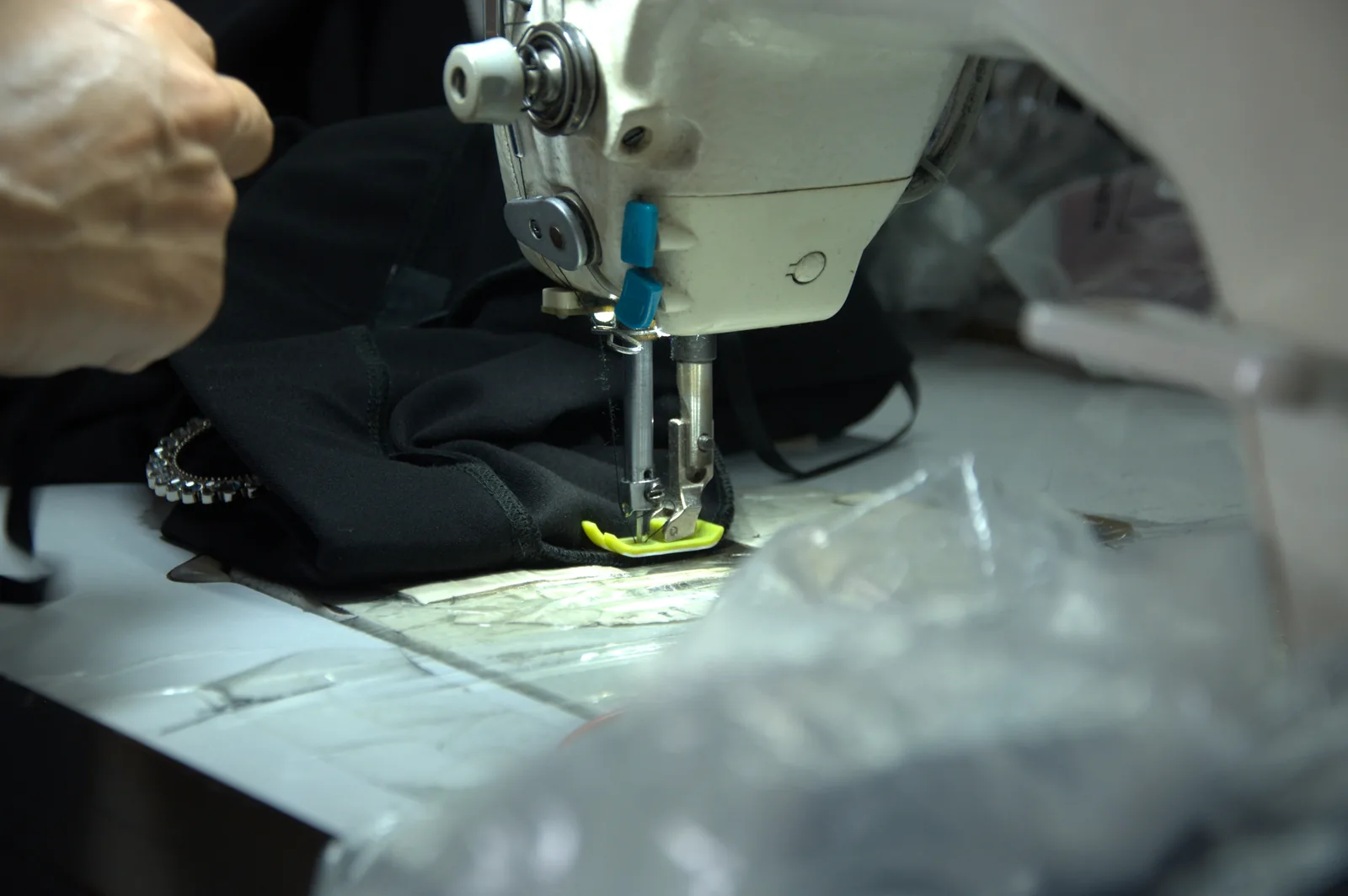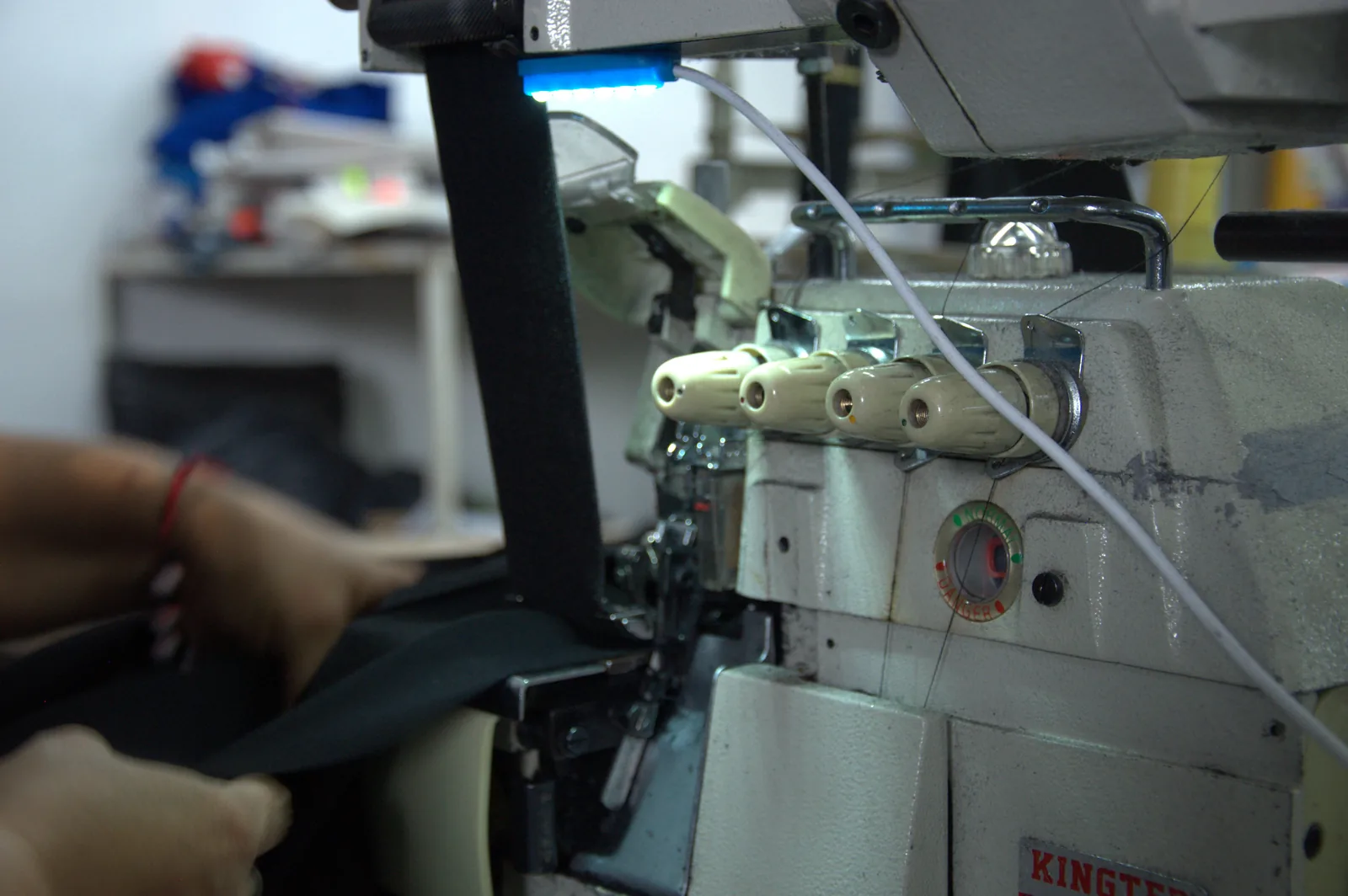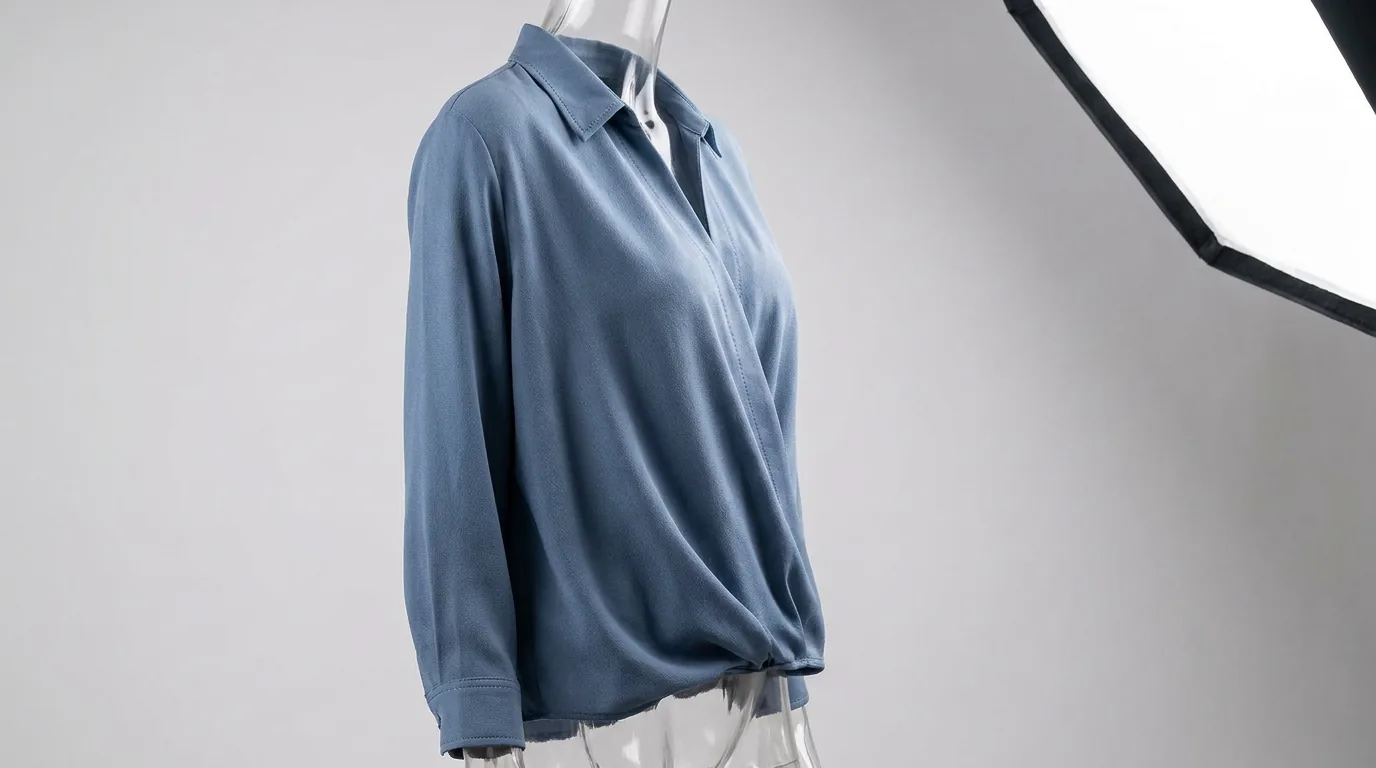

Fashion product development is the work between a design idea and a garment ready to produce: pattern, technical file, fabric and trim sourcing, sampling and costing. It is where a drawing becomes something a factory can cut, and where most of a garment's final cost gets decided.
That last part is what brands underestimate. By the time a design reaches production, the price is largely fixed, because the fabric, the construction and the number of operations were all chosen during development. Negotiating afterwards moves very little.
The six stages
1. Brief and reference
What the garment is, who wears it, what it should cost at retail and roughly how many. A photograph of something similar is worth more here than a paragraph of description, because it removes interpretation.
2. Pattern making and grading
The design becomes flat pattern pieces, then those pieces are graded across the size run. This stage decides fit, and it is the one brands most often try to shortcut by buying a pattern elsewhere. A pattern drawn for another factory's machines and another fabric's behaviour is not a shortcut.
3. Technical file
The document the factory produces against: measurements with tolerances, construction and stitch types per seam, materials and trims with their specifications, labelling and packing. Everything not written here is left to somebody's judgement, and you will not be in the room.
4. Sourcing
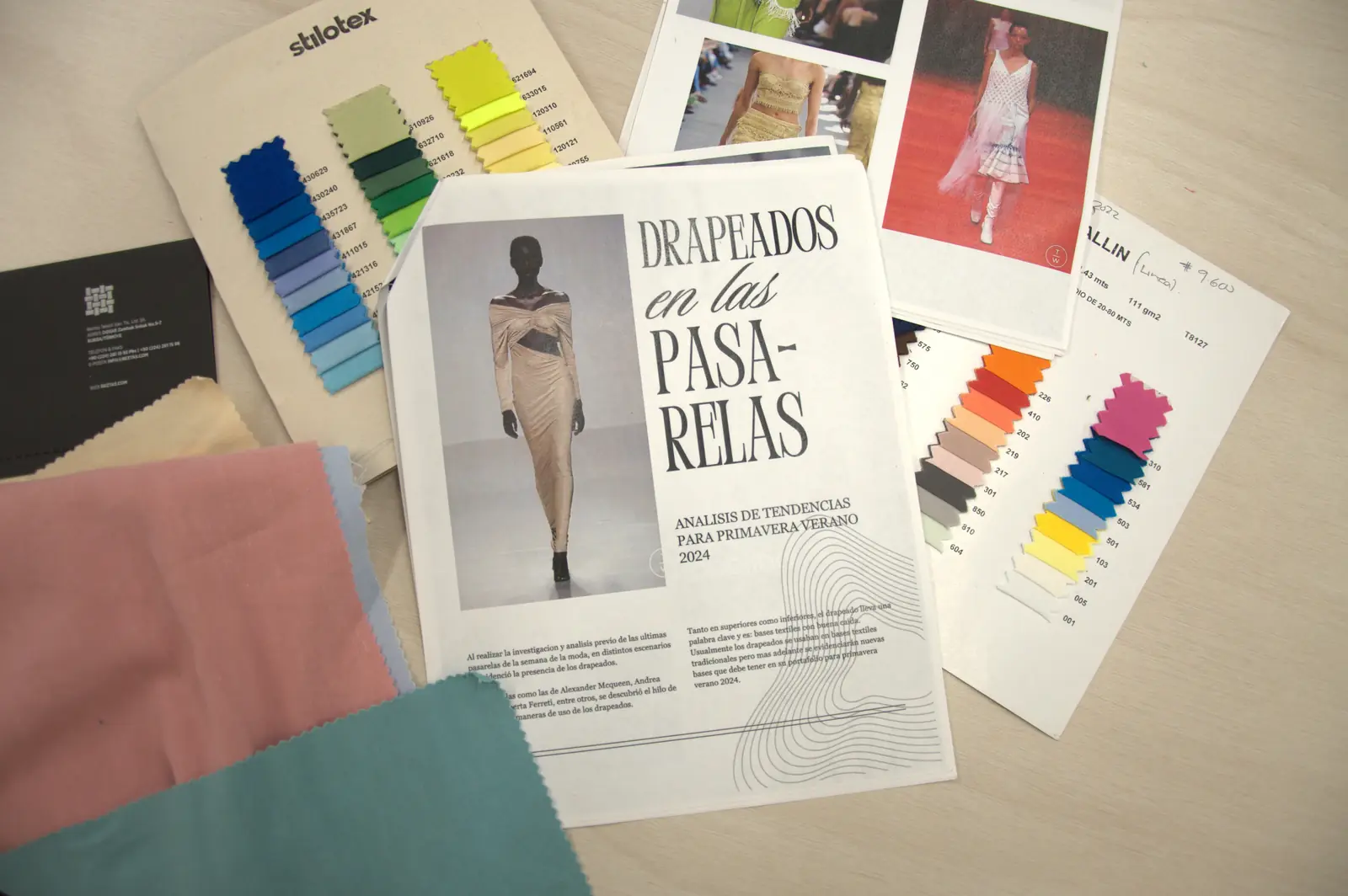
Fabric chosen by structure, composition and weight against what the design needs, then trims, then labels. Each has its own minimum order and its own lead time, and this is usually the stage that sets the calendar.
5. Sampling
A physical garment made and corrected until you approve it. Digital simulation from the pattern removes most of the rounds, and the last one stays physical because fabric hand and colour cannot be judged on a screen. What a digital sample settles.
6. Costing
Operation times get measured on the sample, which is what turns an estimate into a real unit price. If the number does not work, the honest move is to change the garment now rather than squeeze the factory later.
Who does what
| Stage | Under full package | Under CMT |
|---|---|---|
| Brief and reference | You | You |
| Pattern and grading | The manufacturer | You |
| Technical file | The manufacturer | You |
| Sourcing | The manufacturer | You |
| Sampling | The manufacturer | Shared |
| Costing | The manufacturer | You, from their labour rate |
That column difference is the entire commercial distinction between the two models, and it explains why a CMT quote looks so much cheaper. It is buying one of six stages.
Where development goes wrong
- Starting from a design that cannot be made at the target price. Costing early, even roughly, prevents six weeks spent on something that was never viable.
- A vague technical file. Every unspecified detail becomes a decision made without you, and then a dispute you cannot win because there is nothing to point at.
- Approving fit from photographs. Fit is judged on a body in movement. A flat photo of a sample hides exactly the problems a sample exists to reveal.
- Choosing fabric last. Fabric drives cost, drape, minimum order and lead time. Deciding it after the pattern means redoing the pattern.
- Developing twelve styles at once. Each is a full cycle. Two done properly beat twelve done badly, and cost less.
What it takes in time
Two to eight weeks per style, and the spread is genuinely that wide. A variation on a garment that already exists sits at the short end. A new construction in a fabric that has to be sourced sits at the long one. Production follows at 30 to 45 business days once you approve the sample.
What compresses it, in order: arriving with clear references, deciding the fabric direction early, and having a garment you already like the fit of. What stretches it: sourcing, and rounds of fit correction, which are two names for the same calendar.
Frequently asked questions about fashion product development
What is product development in fashion?
The process that turns a design concept into a garment ready for production: pattern making, grading, technical file, sourcing, sampling and costing. It sits between design and manufacturing and belongs entirely to neither.
Is product development the same as design?
No. Design decides what the garment should be. Development decides how it gets built and what it costs. A designer produces the intent, a developer produces the specification a factory can execute.
Do I need a product developer if my manufacturer offers full package?
Not separately. Under full package the manufacturer carries development, which is the main reason the model exists. Under CMT you need one, either in-house or hired.
How much does product development cost?
It is charged per style and depends on how much has to be created rather than adapted. What is consistent is that it is a one-time cost per style, so it weighs heavily on a short run and disappears on a long one.
What is a technical file, and do I need one to start?
A document specifying measurements, construction, materials and labelling, so the factory produces the same garment every time. You do not need one to request a quote from a full package manufacturer, because building it is part of the job. To see the anatomy of a good one, take our free tech pack template.
How long does developing a garment take?
Two to eight weeks per style. Variations on known garments are fast, new constructions in sourced fabrics are slow, and sourcing is what usually decides which one you get.
The fashion product development process, stage by stage
The process runs in six stages, and skipping one moves its cost to the next. Concept fixes what the garment is and who buys it. Technical design turns that into a tech pack with measurements, construction and materials. Pattern making drafts the block and cuts the first prototype. Fitting corrects it on a body, usually across two or three rounds. Pre production locks fabric, trims and labels exactly as they will run. Only then does production start.
Development takes between two and eight weeks depending on how many rounds the fit needs and how quickly the fabric is confirmed. Most of the delay in that window is waiting on decisions, not on sewing.
How we work
All six stages happen with our own team in Cali, Colombia, which is what lets a fit correction be made the same day it is spotted rather than after a handoff between three companies. GAT Fashion Lab has been developing and producing for over twenty years, for recognised regional brands and for labels shipping into the United States. The service page for this is fashion product development. What we do not make: denim, and tailored outerwear.
To get a garment developed, send a reference through our quoting tool. No cost, an estimate in minutes. From Colombia to the world.