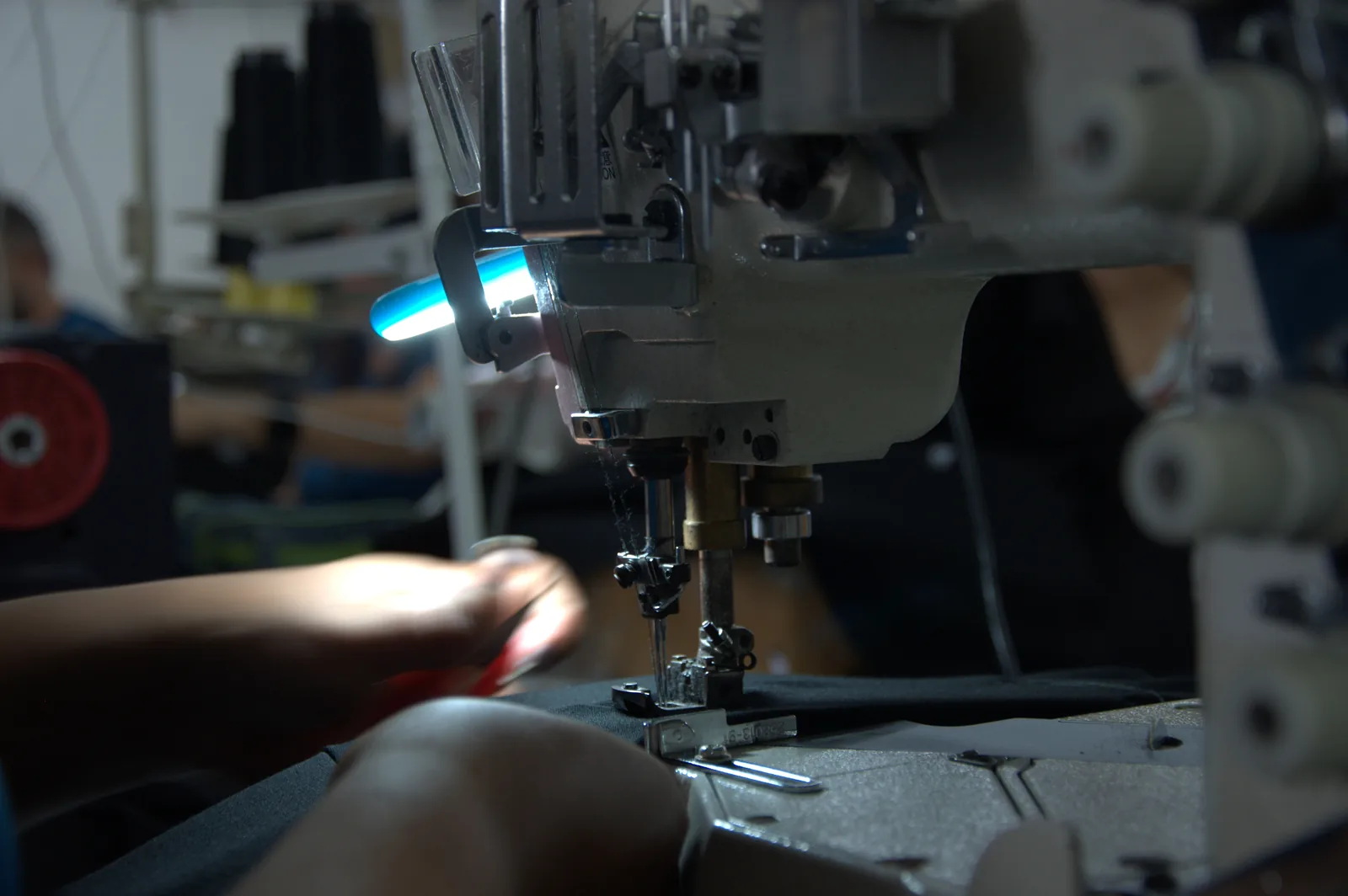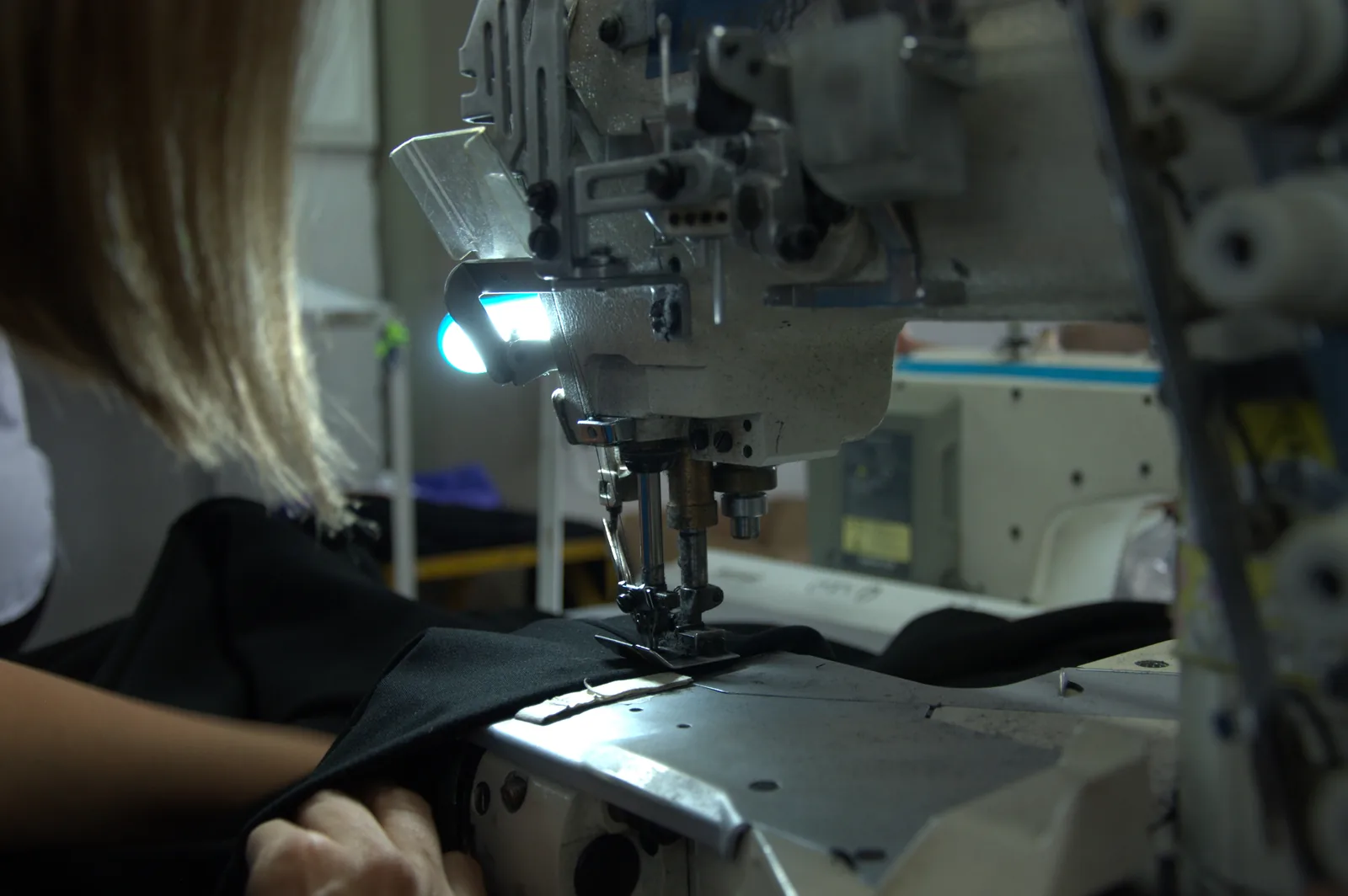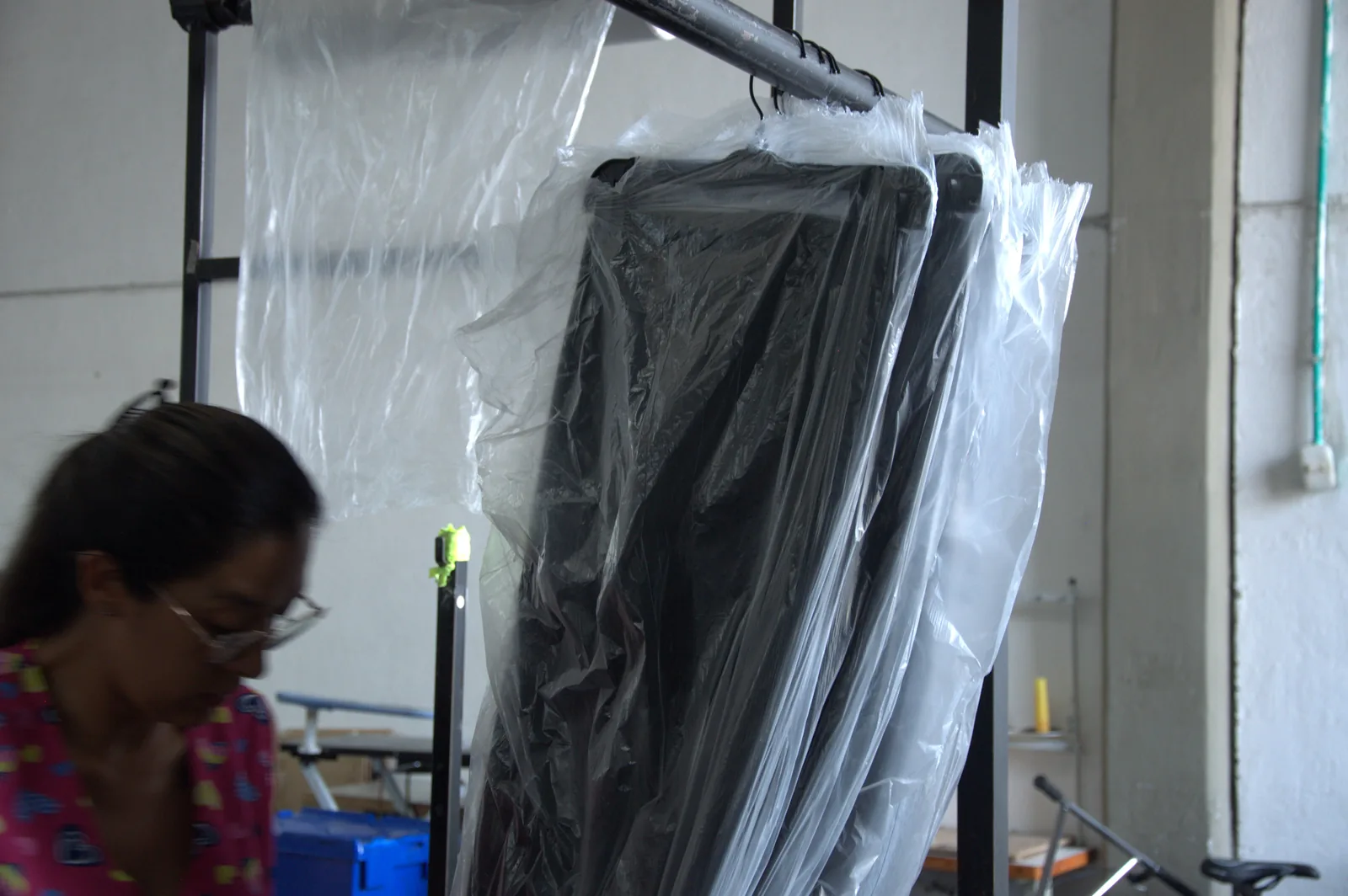

FPP stands for full package production. In garment manufacturing it names the arrangement where the factory sources fabric and trims, develops the pattern, cuts, sews, finishes and packs the order, and hands the brand a finished garment ready to sell. The brand brings the design, the specifications and the approval at every gate.
The acronym travels badly. A plant in Cali, a mill group in Guangzhou and a small atelier in Porto can all answer "yes, we do FPP" and mean three different amounts of work. GAT runs it as full package clothing manufacturing, eight internal stages from tech pack to packed box, and quotes the narrower cut and sew route apart for brands that already own their fabric.
What FPP stands for, letter by letter
Split into three words the acronym is almost self explanatory, and the confusion sits in the middle one.
- Full. The scope starts at the tech pack and ends at a packed box. You do not buy fabric, you do not hire a pattern maker and you do not chase a separate finishing workshop.
- Package. One supplier quotes and invoices the whole thing as a single service, instead of four vendors invoicing four pieces of it.
- Production. The output is sellable stock in the agreed quantities, not a prototype and not a rendering.
You will also see the same model written as full package manufacturing, full service, or plain FP. Nothing in the acronym says who owns the design: under FPP the design and the brand stay with the client, which is exactly what separates it from a catalogue product with your label sewn in.
Other acronyms that show up beside FPP
- CMT: cut, make, trim. You send the fabric, the factory cuts and sews it.
- MOQ: minimum order quantity, counted per style and per color.
- EXW: ex works, the price of the goods at the factory door, before freight and import charges.
- DDP: delivered duty paid, where the supplier carries freight and import charges to your address.
- Tech pack: the specification sheet a factory needs in order to quote and to build the pattern.
A quote that says FPP and a quote that says CMT are not comparable numbers. Only one of them contains the fabric.
The eight stages behind a full package order
At GAT the model runs as Full Package 360°. What a brand experiences is two phases, development and production, but internally a garment crosses eight stages:
- Research on trends, suppliers, processes and what the market is asking for.
- Design and material definition: fabrics, trims and the design spec.
- Sampling and tech packs, with digital pattern making and a physical garment.
- Approval in writing. Everything after this point hangs on it.
- Sourcing and purchasing of raw materials for the approved quantities.
- Production: cutting, processes and supervised sewing.
- Audit and quality, with four point control through to the finished garment.
- Logistics: packing and delivery, domestic or export.
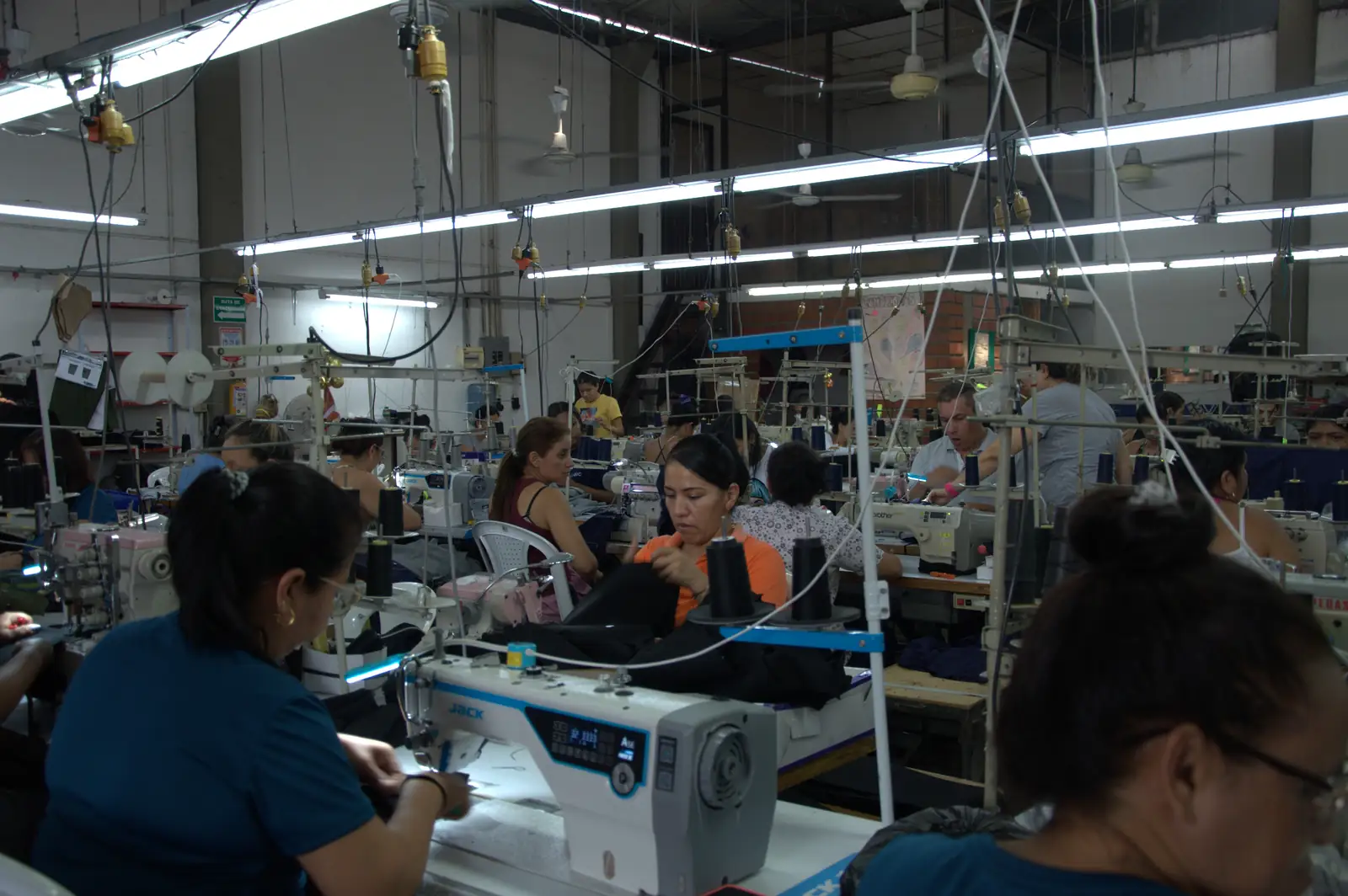
Nothing is cut for production before you approve the physical sample. The plant behind those stages has been making other brands' garments for over 20 years, with more than 130 collaborators, 75% of them women, and a capacity in the range of 25,000 to 30,000 units per month. The sequence with your side of each step is laid out in how we work with brands.
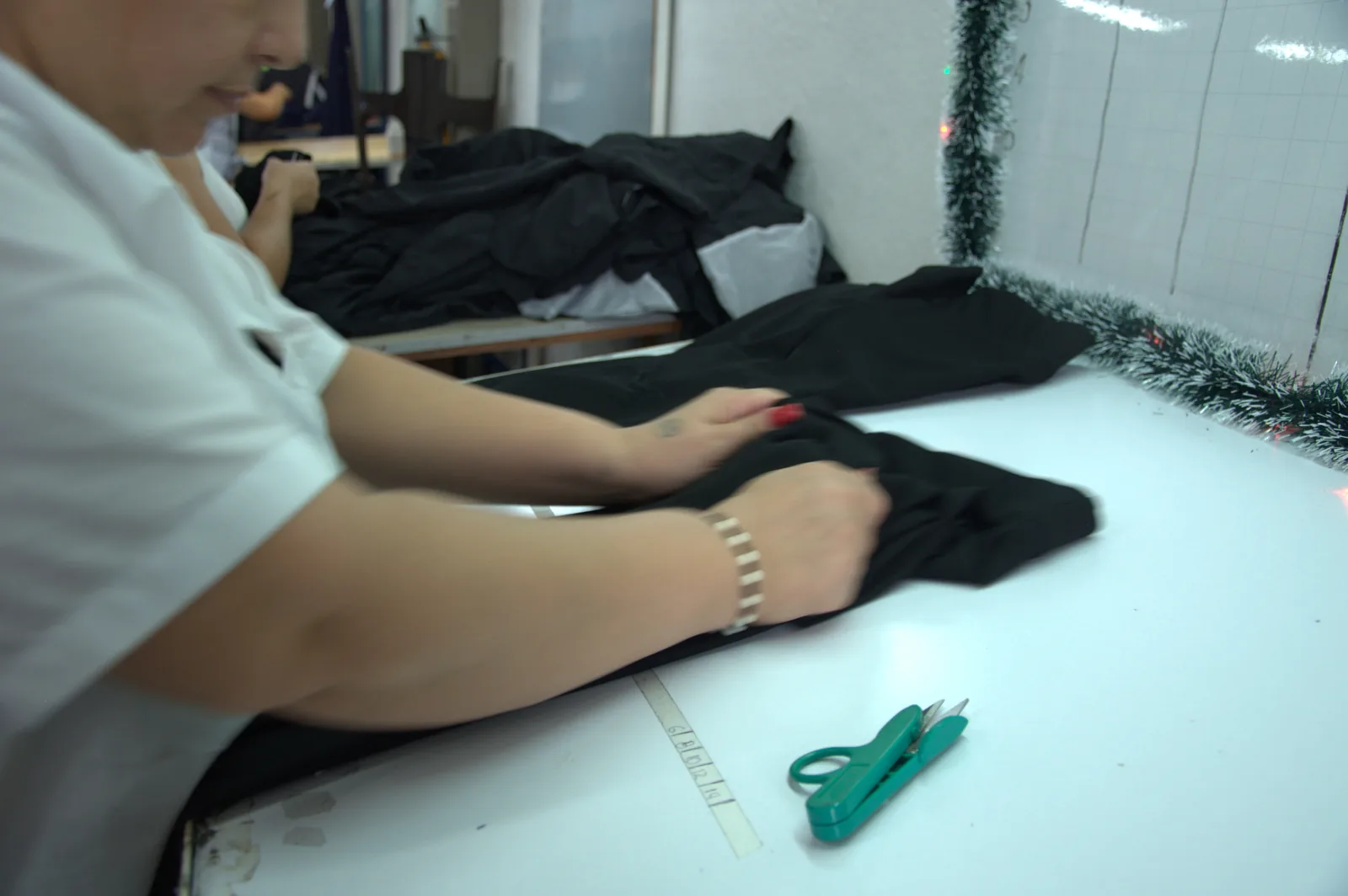
FPP, CMT and private label are three different contracts
Same plant, same machines, different division of work and different risk on your side.
- Full package: your design, our sourcing, our production. You approve, we buy, we make.
- CMT and cut and sew: your design and your fabric, our cutting and sewing. Lower on the invoice line because the fabric is not in it, heavier on your calendar because a fabric delay is yours to absorb.
- Private label: an existing product adapted and sold under your brand. Fastest to shelf, least room to make it yours.
The long comparison of the first one against a plain sewing workshop is in what full package production is.
What the FPP label does not promise
The acronym describes scope. It says nothing about where every machine sits, and it is regularly oversold.
- It does not mean zero suppliers. No apparel factory weaves its own fabric, dyes its own thread and moulds its own buttons. Full package means one supplier is accountable for the chain, not that the chain fits inside one building. Ask a candidate who it buys from and how long that purchase takes.
- It does not mean the quote covers everything you will spend. Branded trims, labels, hangtags and custom packaging carry their own minimums and are priced apart. Freight and import charges are set by your country, not by the factory.
- It does not cover your go to market. Product photography, the online store, paid media and your customs broker stay on your side. GAT does not do those, and a supplier that claims it does is selling you a different service.
How to read a quote that says FPP
When two FPP quotes look far apart, the gap is almost never the sewing minute. It is what each one silently included.
- Two prices, not one. Development, meaning the tech pack and the approved physical sample, and production are separate services and are quoted separately. A single all in number usually hides one of them.
- Two timelines. Sample development usually runs 2 to 8 weeks and production 30 to 45 business days. What moves those ranges most is where the fabric is and whether it exists or has to be made.
- The minimum. At GAT, from 36 units per style and per color, with sizes split freely inside each reference. Each color counts as its own minimum.
- The commercial term. Quotes are EXW from our facilities in Colombia by default, and DDP when it is agreed. That single line changes what a per unit number means. See how we deliver to the United States.
Brands that have already gone through this comparison are listed in our customers, including retail chains and designer labels.
Frequently asked questions about the FPP full form
What is the FPP full form in clothing manufacturing?
FPP is the full form of full package production, the manufacturing model in which one factory takes a brand's design and specifications and returns finished garments, buying the fabric and trims, making the pattern, sampling, cutting, sewing, inspecting, labelling and packing the order under a single contract.
Is FPP the same as full package manufacturing?
Yes. Full package production, full package manufacturing and full service describe the same commercial arrangement, and the letters FPP are simply the short form buyers and factories use in email and on quotes. The wording changes by region and by who wrote the sales deck, the scope does not.
Does the factory own my design under FPP?
No. In full package production the design, the patterns developed from it and the brand remain the client's property, which is the line that separates FPP from private label, where you adapt a product the supplier already owns. At GAT the tech pack you approve is the reference the garment is measured against and the file stays yours.
What is the minimum order for an FPP project?
At GAT a full package order starts from 36 units per style and per color, with sizes distributed as you need inside each reference. Volumes in the range of 100 to 300 units per style are where a project tends to run most efficiently, and each additional color is counted as a separate minimum because it is a separate fabric purchase. The reorder is the part brands forget. Coming back for more of the same style costs another 30 to 45 business days on the calendar, so opening at 100 to 300 keeps the shelf from emptying.
How long does an FPP order take from tech pack to shipment?
Plan for two blocks that do not overlap: sample development of 2 to 8 weeks, and production of 30 to 45 business days once you approve the physical sample in writing. Fabric availability is the variable that stretches or shortens the first block, so a project with a fabric already in stock behaves very differently from one that needs it woven and dyed.
Which route fits, depending on where your brand stands
The acronym only matters once you know which of these describes you.
- You have sketches and no tech pack. Start with fashion product development. FPP without a spec is a conversation, not a quote.
- You have an approved sample from another factory and want a second source. Send the sample and the tech pack. A full package quote against an existing garment is the fastest reliable comparison you can get.
- You already bought the fabric. Cut and sew is your route, not FPP, and paying for a package that excludes its main input makes no sense.
- You are still shortlisting plants. The questions worth asking before you send a tech pack are in how to find full package manufacturers.
If you already know the reference, the fabric and the quantity, put them into our quoting tool and you get an estimate in minutes, with no commitment. If you are not sure whether your project is full package or cut and sew, send it through the quoting tool anyway and we will tell you plainly which of the two it is.