
The private label manufacturing process runs in six stages: selecting a garment the factory already developed, agreeing the adaptations, approving a labelled sample, confirming quantity per style and colour, production, and dispatch. Development is already paid for, which is why it is faster and cheaper to start than building a garment from scratch.
What that shorthand hides is where the timeline and the cost actually go. This page is the stage-by-stage version, including the parts that stay your expense whatever the quote says.
The six stages
1. Selection
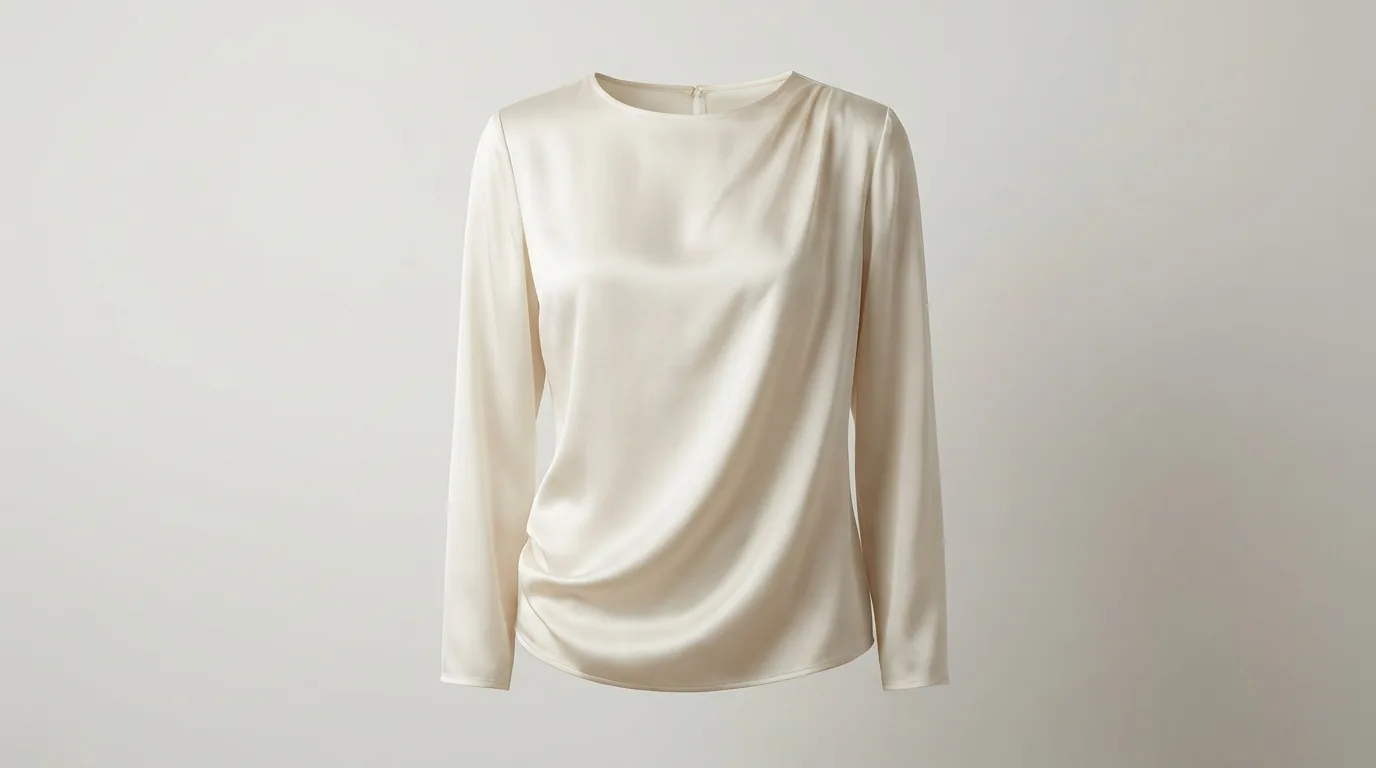
You choose from garments the manufacturer already produces. The pattern, the fit and the construction exist and are not open to change. What you are assessing is whether that garment is close enough to what your brand should sell, which is a harder judgement than it sounds when you have only seen photographs.
Ask for physical samples of anything you are serious about, before you go further. Everything downstream assumes this garment is right.
2. Adaptations
What can normally change: colour, from the range the factory already dyes or holds. Labels, both the neck label and the care label. Hangtags and packaging. Sometimes fabric, within the options the plant already buys.
What cannot change: the pattern. That means fit, seam placement, sleeve length and neckline stay as they are, because they are shared with the factory's other buyers of that style. Wanting one of those changed is the signal that you have moved into custom production. The line between the two.
3. Labelled sample
You approve a unit with your branding applied, in your colour. Faster than a custom development because there is no pattern to correct, and it still matters: this is where label placement, colour accuracy and packaging get settled, and all three are easy to get wrong on paper.
4. Quantity
Per style and per colour, always. This is where private label orders most often get bigger than expected: three colourways of one garment is three minimums, not one.
5. Production
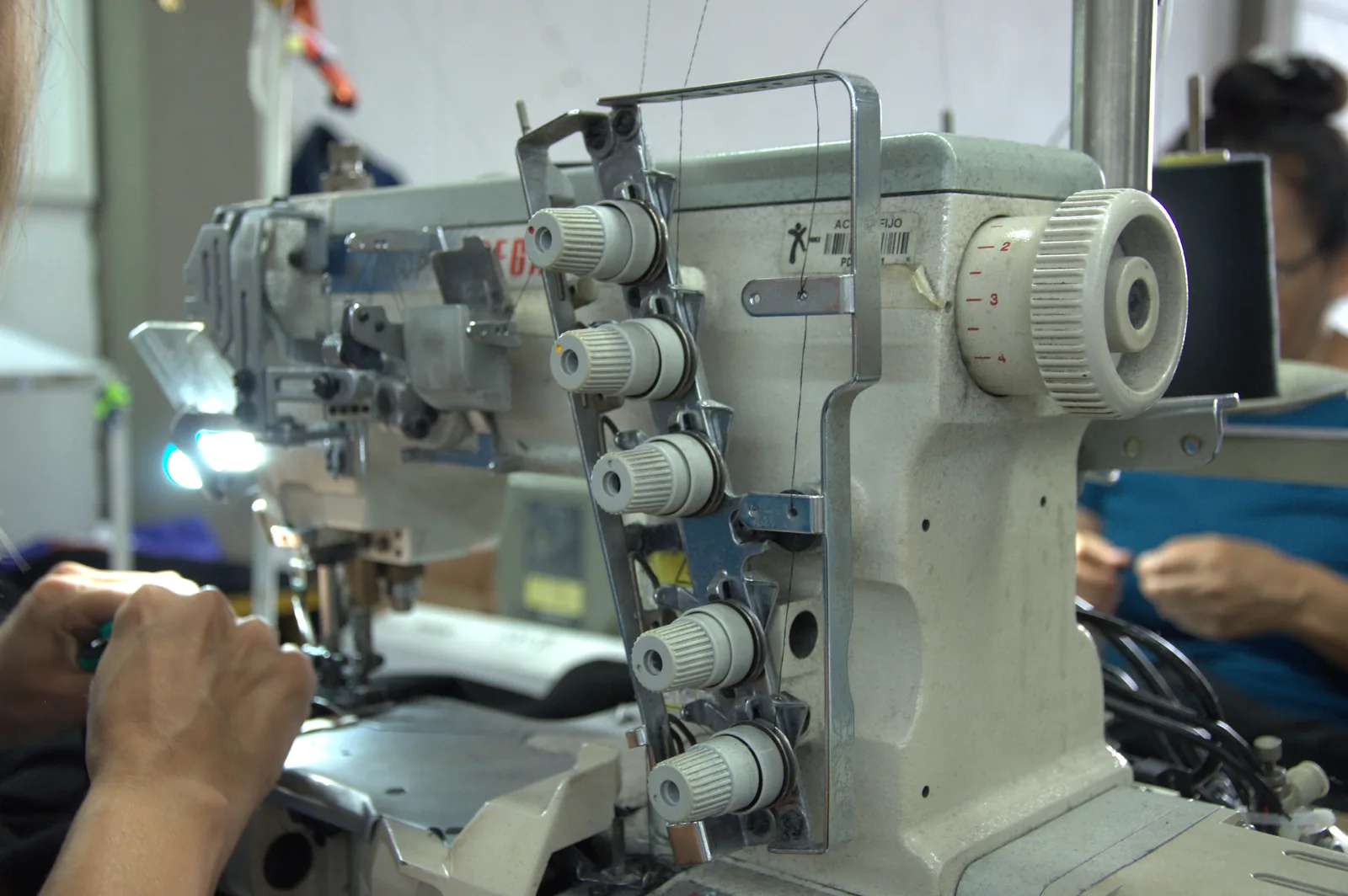
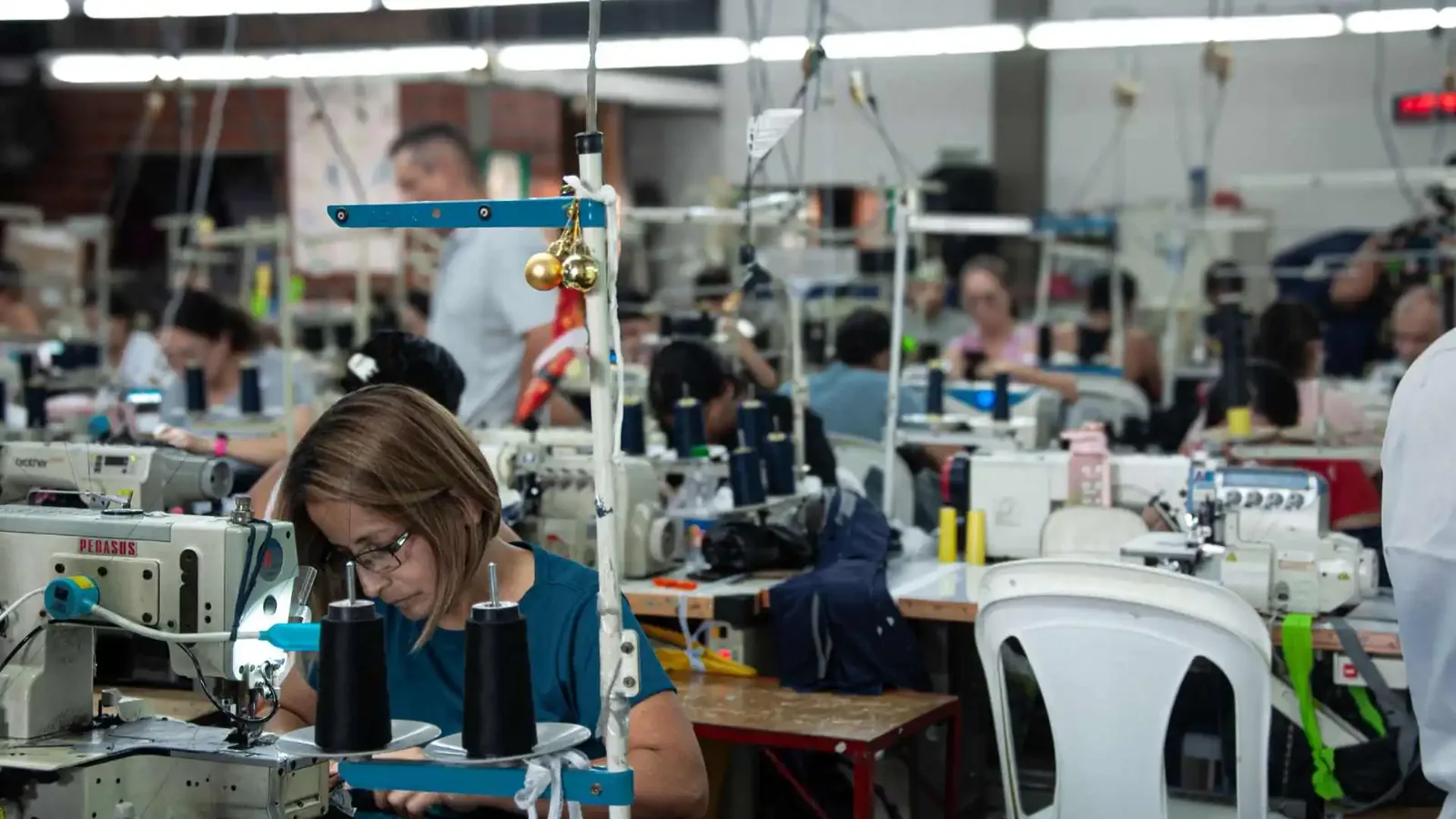
The plant runs the garment and applies your labelling. Because the style is already engineered, the run itself is faster than an equivalent custom order, and the variable is where you sit in the factory's queue.
6. Dispatch
Packed to whatever specification you agreed, under a stated commercial term. Confirm whether the price is at the plant or delivered, because the difference is freight, insurance and duty.
Timelines, honestly
| Stage | Typical time |
|---|---|
| Selection and samples in your hands | Days to a couple of weeks, mostly shipping |
| Labelled sample approved | One to three weeks, driven by label production |
| Production | Weeks, faster than a custom run because there is no development |
| Custom colour, if required | Adds a dye lot, which can be the longest single item |
The item that surprises people is labels. Woven labels have their own supplier, their own minimum and their own lead time, and they can hold up an otherwise ready order on their own. Start them early.
What stays your cost
A private label quote covers the garment and usually the labelling application. It does not cover:
- Label and hangtag production. Separate supplier, separate minimum, unless the factory bundles it.
- Samples. Charged per unit in most cases, and you will want several.
- Freight and duty, unless the term is DDP.
- Photography, storefront and marketing. The manufacturer's job ends at the packed box.
None of these are hidden. They are simply not in the number you were quoted, and building a retail price on the quote alone is how margins disappear.
What to check before committing
- Can the style be reordered in six months? If the factory is discontinuing it, you are building on sand.
- Is exclusivity available, and what does it cost? Sometimes purchasable, and worth pricing if the garment is central to your range.
- Who else buys this style? They will not always answer. Ask anyway.
- What is the colour matching process? If you have brand colours, this is where they succeed or fail.
- What happens with defective units? Same question as any manufacturing arrangement.
Frequently asked questions about private label manufacturing
What is private label manufacturing?
A manufacturer produces a garment it developed itself and sells it to you with your branding applied. You buy a finished product and a name on it, not a development process.
How long does private label production take?
Faster than custom manufacturing because there is no pattern development. Sampling and label production usually set the pace, and a custom colour requiring its own dye lot is the longest single variable.
What does private label manufacturing cost?
It depends on the garment and the quantity, and the quoted figure typically excludes labels, hangtags, samples and freight. Ask for the list of what is included rather than for a single number.
Can I change the design in private label?
Colour, labels, packaging and sometimes fabric, yes. The pattern, no, because it is shared with the factory's other buyers. Needing a pattern change means you need custom production.
Is private label the same as white label?
Close, and the difference is adaptation. White label products ship identically to every buyer. Private label allows some customisation and occasionally exclusivity.
What is a private label factory?
A manufacturer that develops its own styles and produces them for multiple brands under their labels. Its economics depend on selling the same pattern several times, which is why the pattern is not negotiable.
How we work
GAT Fashion Lab used to run a private label line and retired it. What we do now is custom full package: we develop and produce the garment you specify, with a pattern that is yours and not shared with anyone. If a ready-made catalogue is what your brand needs right now, we are the wrong supplier and saying so early saves you a week. See the full private label vs custom comparison for the reframe in detail.
If you have outgrown catalogue selection and want the garment itself to be yours, describe it in our quoting tool. No cost, an estimate in minutes. From Colombia to the world.